

The Machine That Killed Bad People (1990)
• February 14th, 1990 • 2h 0min
Documentary
Overview
The Machine That Killed Bad People is about the cultural and political history of the Philippines leading up to the overthrow of President Ferdinand Marcos in 1986. It also addresses the role of electronic media in the struggle for power, and more broadly, American intervention in the Third World. Using a structure that emulates the way television news programs construct meaning through fragmentation, the tape interweaves clips of Filipino activists and reporters, a fictional television anchorwoman and correspondent, commentary by independent filmmaker Trinh T. Minh-ha, Fagin's off-camera voice and script, and anonymous excerpts from commercial television.
Make sure to check your pop-up blocker!!
Trailer
Similar Movies

A Bunch of Questions With No Answers
Released on: 2025-04-04
Documentary
A Bunch of Questions with No Answers (2025) is a 23-hour film by artists Alex Reynolds and Robert M....
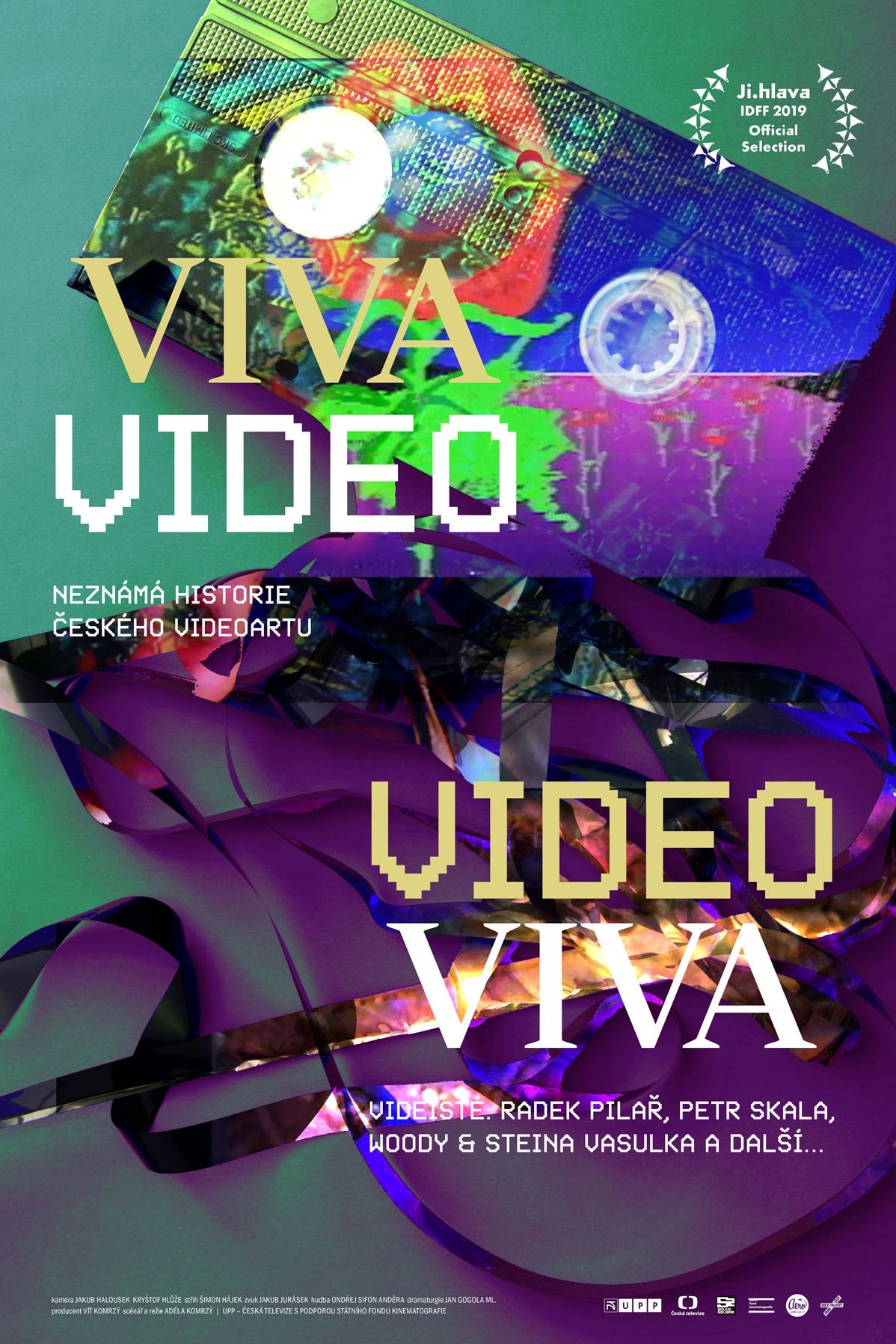
Viva video, video viva
Released on: 2020-02-13
Documentary
Today, analogue video is attractive primarily thanks to the distinctive aesthetic quality of its pix...
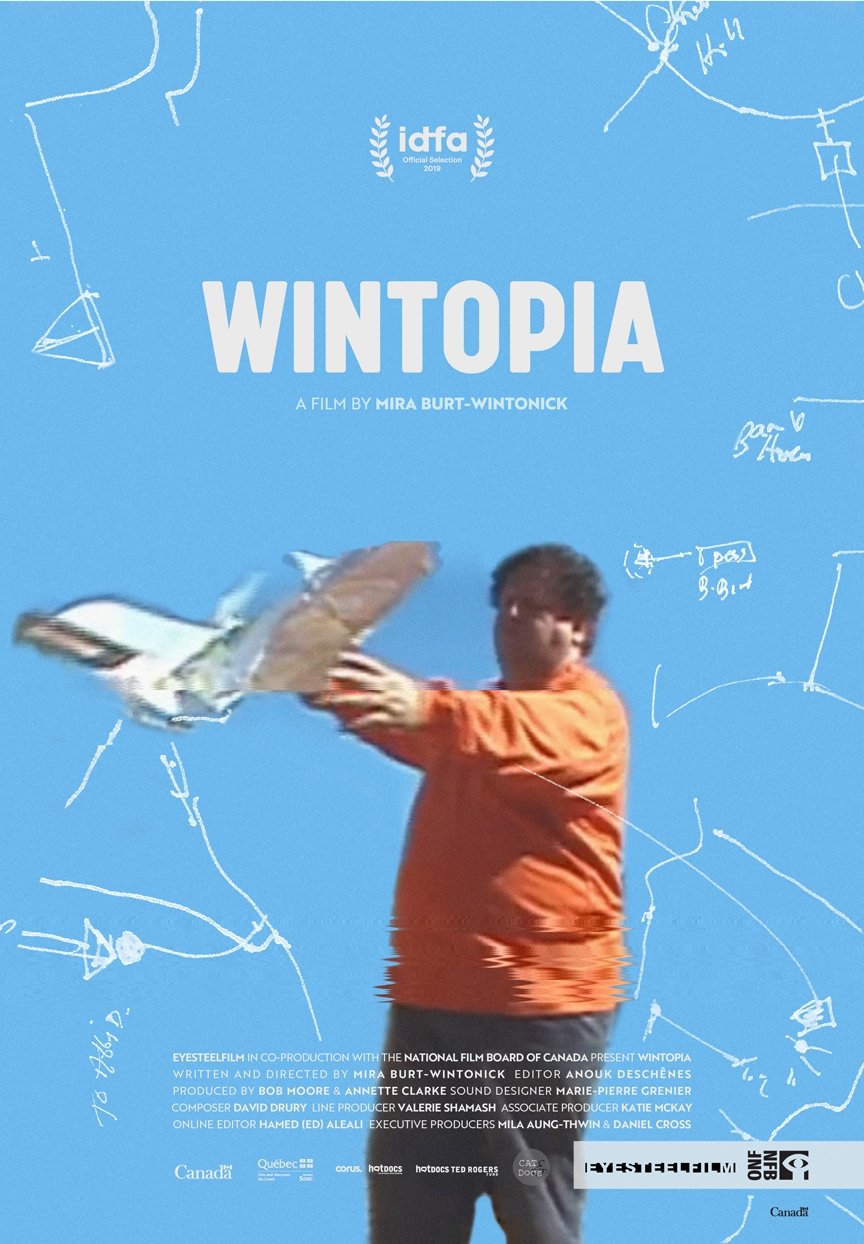
Wintopia
Released on: 2019-11-23
Documentary
IDFA and Canadian filmmaker Peter Wintonick had a close relationship for decades. He was a hard work...

Junior War
Released on: 2013-11-02
Documentary
In Junior War, a throng of highschoolers congregate at night for a party in the woods sometime in th...
Guadalcanal Requiem
Released on: 1977-01-01
Documentary, History
One of Paik’s most overtly political and poignant statements, Guadalcanal Requiem is a performance/d...
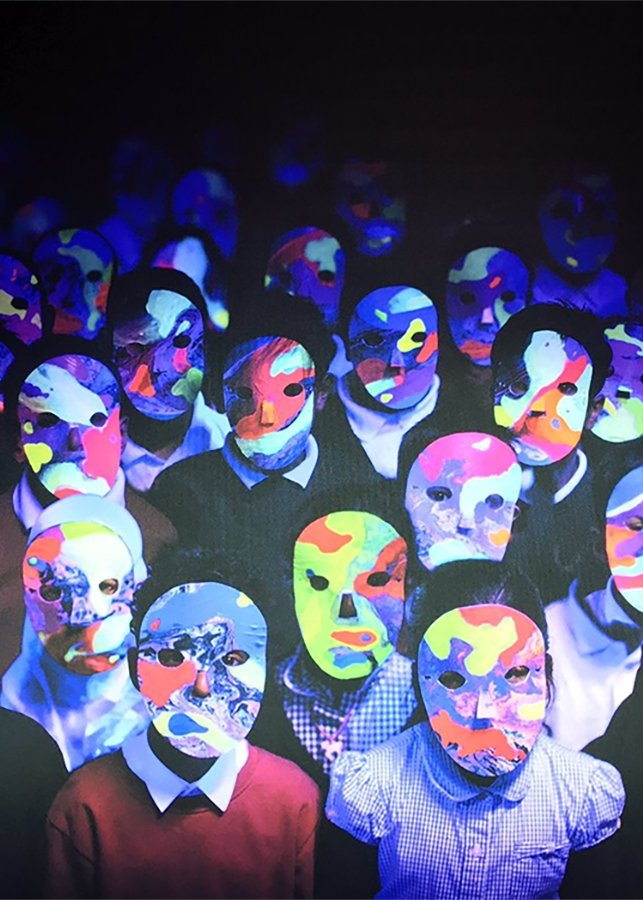
No Ordinary Protest
Released on: 2019-10-25
Documentary
Ted Hughes's 1993 novel The Iron Woman is the springboard for this multi-media project by Mikhail Ka...

Living in the World
Released on: 1985-01-01
Comedy, Documentary
An auto-documentary about a disenfranchised Everyman and his struggle to re-integrate himself into s...
Dieter Roth. Solo Scenes. 1997-98
Released on: 1998-01-01
Documentary
These 131 video monitors stacked in a grid present simultaneous, continuous footage of the German ar...
Cumulonimbus
Released on: 1970-01-01
Documentary
A 1970 projection of what may come when pollution over powers nature.
Sayonara Super 8
Released on: 2006-01-01
Documentary
Pia Yona Massie's Sayonara Super 8 uses personal archival footage to ask questions about the fragile...
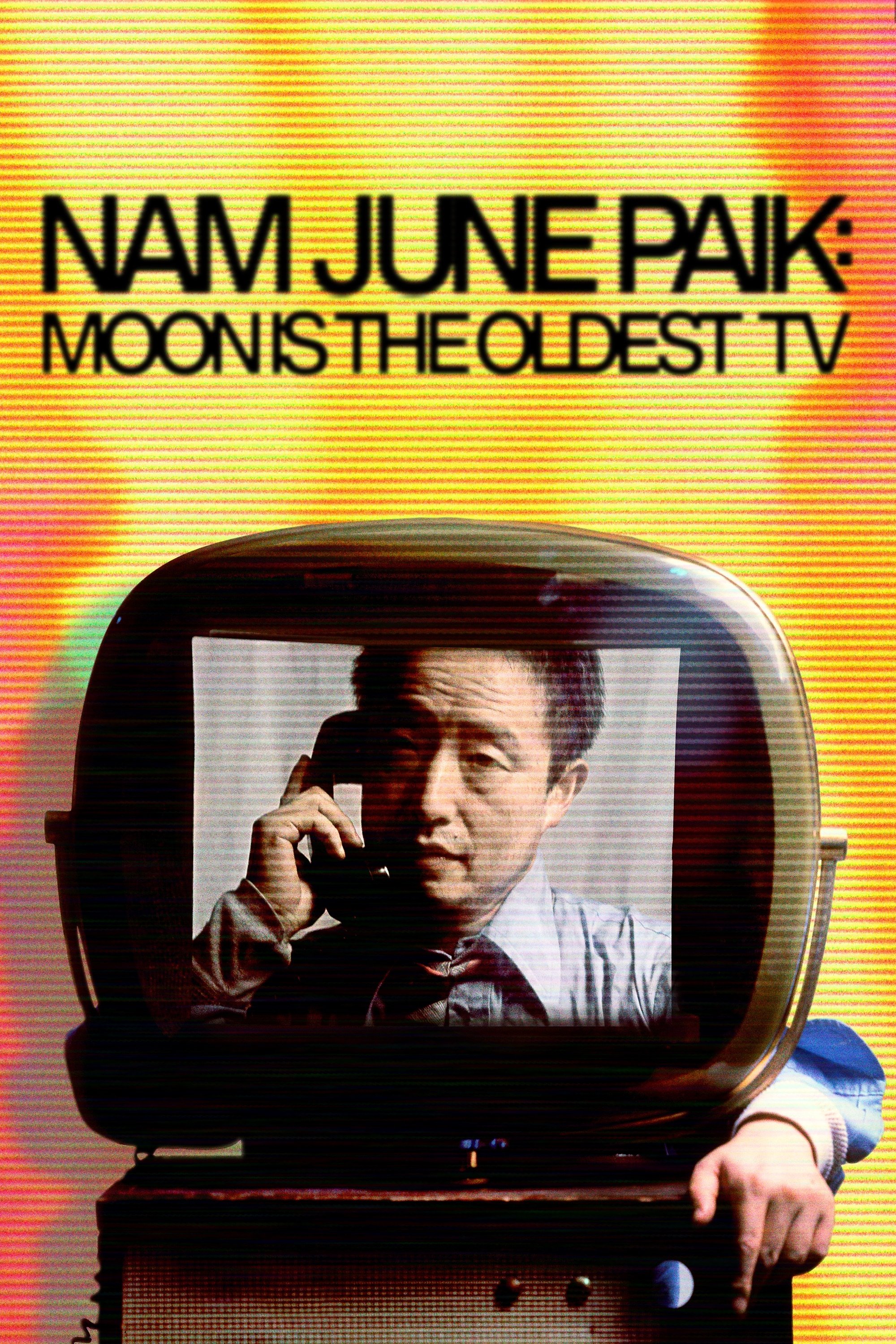
Nam June Paik: Moon Is the Oldest TV
Released on: 2023-03-24
Documentary
The quixotic journey of Nam June Paik, one of the most famous Asian artists of the 20th century, who...

Measures of Distance
Released on: 1988-01-01
Documentary
In this video, the artist tries to overcome the effects of distance, and reflects on geography repre...
Brian Winston Reads the TV News
Released on: 1983-01-01
Documentary
This live show features the energetic analysis of television network news by Brian Winston. Winston ...
Moby Dick
Released on: 2000-01-01
Documentary
Guy Ben-Ner, one of Israel's foremost video artists, gained international recognition with a series ...
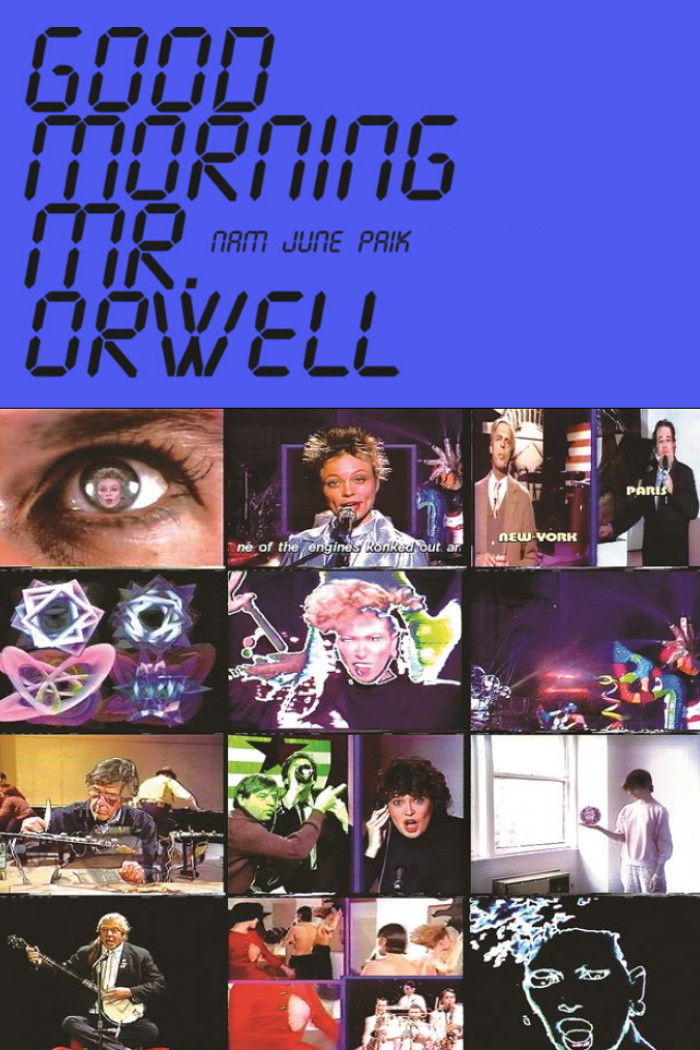
Good Morning, Mr. Orwell
Released on: 1984-01-01
Comedy, Music, TV Movie, Documentary
In his book "1984", George Orwell saw the television of the future as a control instrument in the ha...
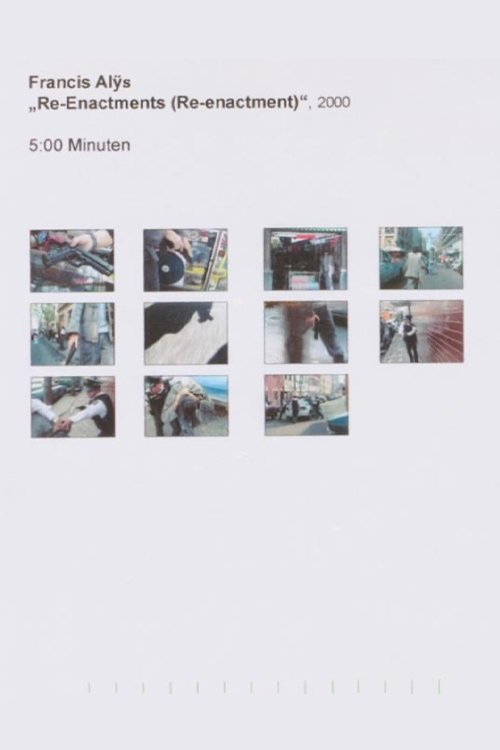
Re-enactment
Released on: 2000-08-08
Documentary
For this work Alÿs purchased a gun in Mexico City then walked through the city streets with the weap...
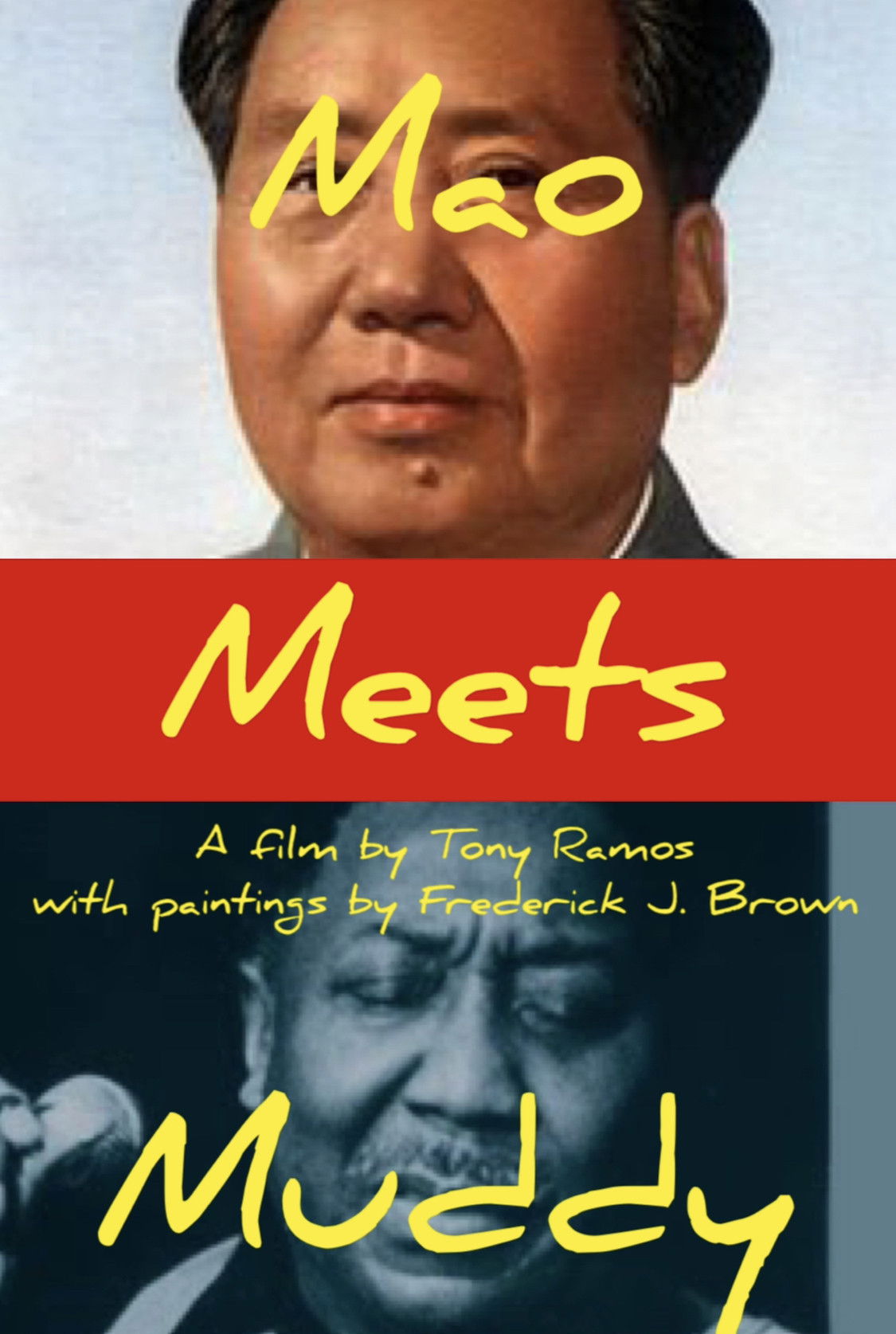
Mao Meets Muddy
Released on: 1989-01-01
Documentary
Director Anthony Ramos joins his good friend, painter Frederick J. Brown, on a trip to Beijing for a...
Things That Were There
Released on: 2023-04-23
Documentary
Experimental video art compiled from video taken on an LG Env3 flip phone circa 2009-2010
John Baldessari: Some Stories
Released on: 1990-01-01
Documentary
Presented without commentary, this film reveals the thinking behind the work of John Baldessari over...