

Red-Hunt (1997)
• May 25th, 1997 • 1h 23min
Documentary
Overview
70 years ago, a massacre called ‘Red Hunt’ occurred in Jeju island. Over 6 years, countless lives were murdered in the Daranshi cave, Jungbang waterfall, and Ompang field. There was no line between life and death. There were only ideological and political strategies that surrounded Jeju. After 49 years, survivors can finally testify the memories that could not be forgotten.
Make sure to check your pop-up blocker!!
Trailer
Similar Movies

Soup and Ideology
Released on: 2022-06-11
Documentary
Confronting half of her mother’s life—her mother who had survived the Jeju April 3 Incident—the dire...

May•JEJU•Day
Released on: 2021-09-08
Animation, Documentary
Immediately after liberation, an incident called 'Jeju Uprising' took place on Jeju Island, the Hawa...
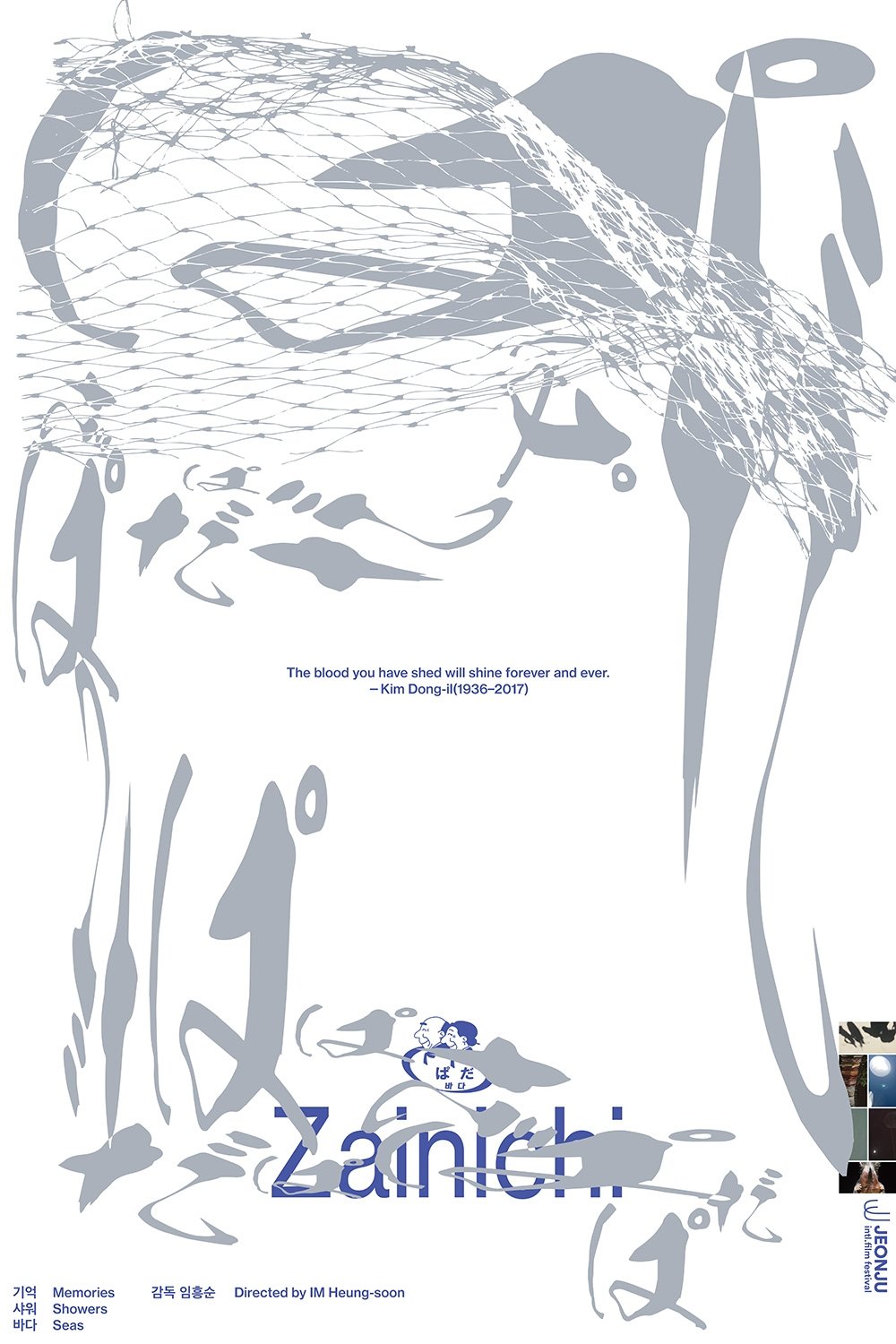
Memories Showers Seas
Released on: 2025-05-02
Documentary
The late Kim Dong-il, a Jeju April 3 refugee in Japan, left behind over 2,000 crocheted items and pi...

Jeju Prayer
Released on: 2013-04-03
Documentary
Focusing on Mrs. Kang Sang-hee’s life, she lost her husband in the Jeju Uprising (March 3rd, 1948). ...
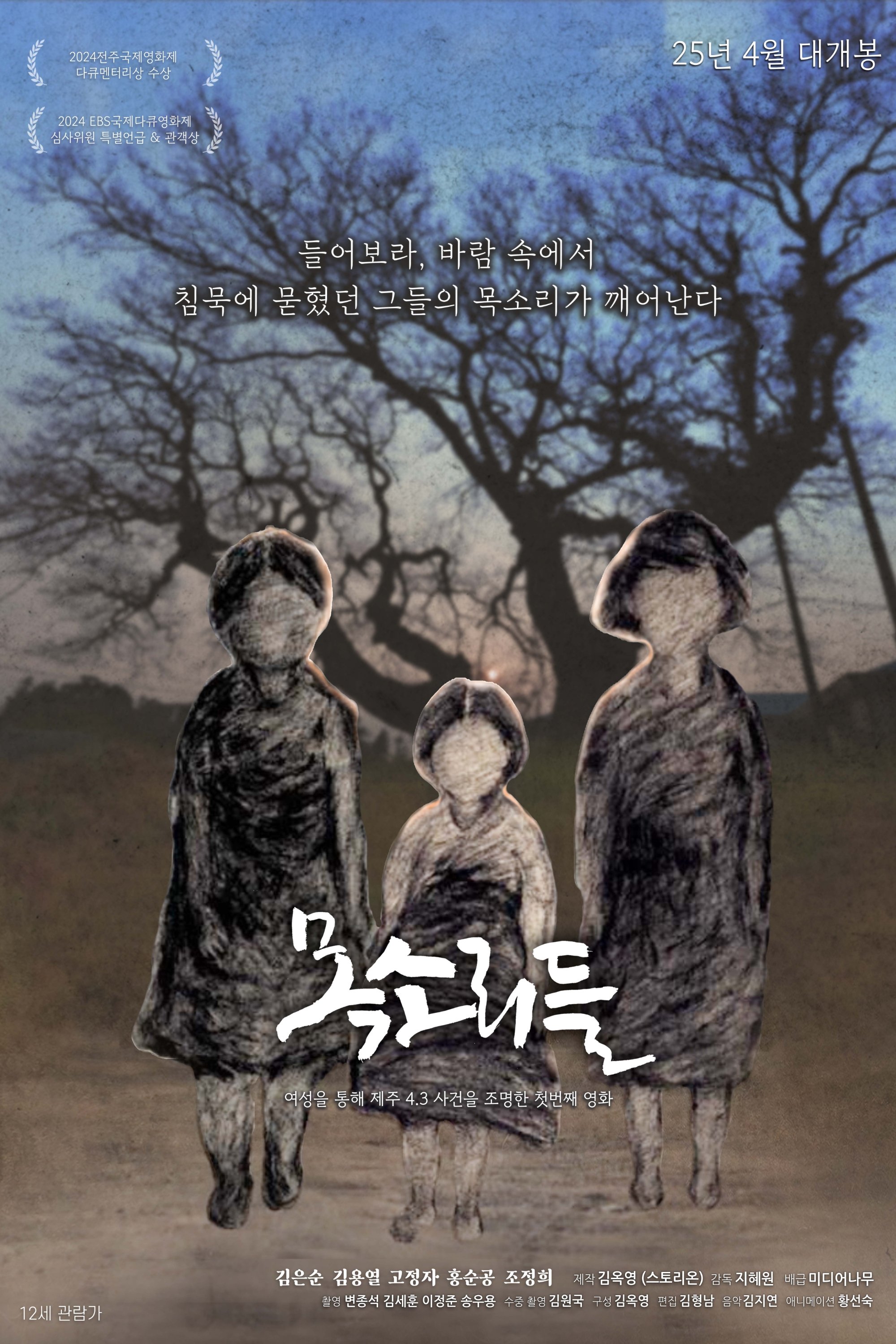
Voices
Released on: 2025-04-02
Documentary
In the turmoil of the Jeju 4.3 incident, Jeju Island witnessed the loss of an estimated 25,000 to 30...
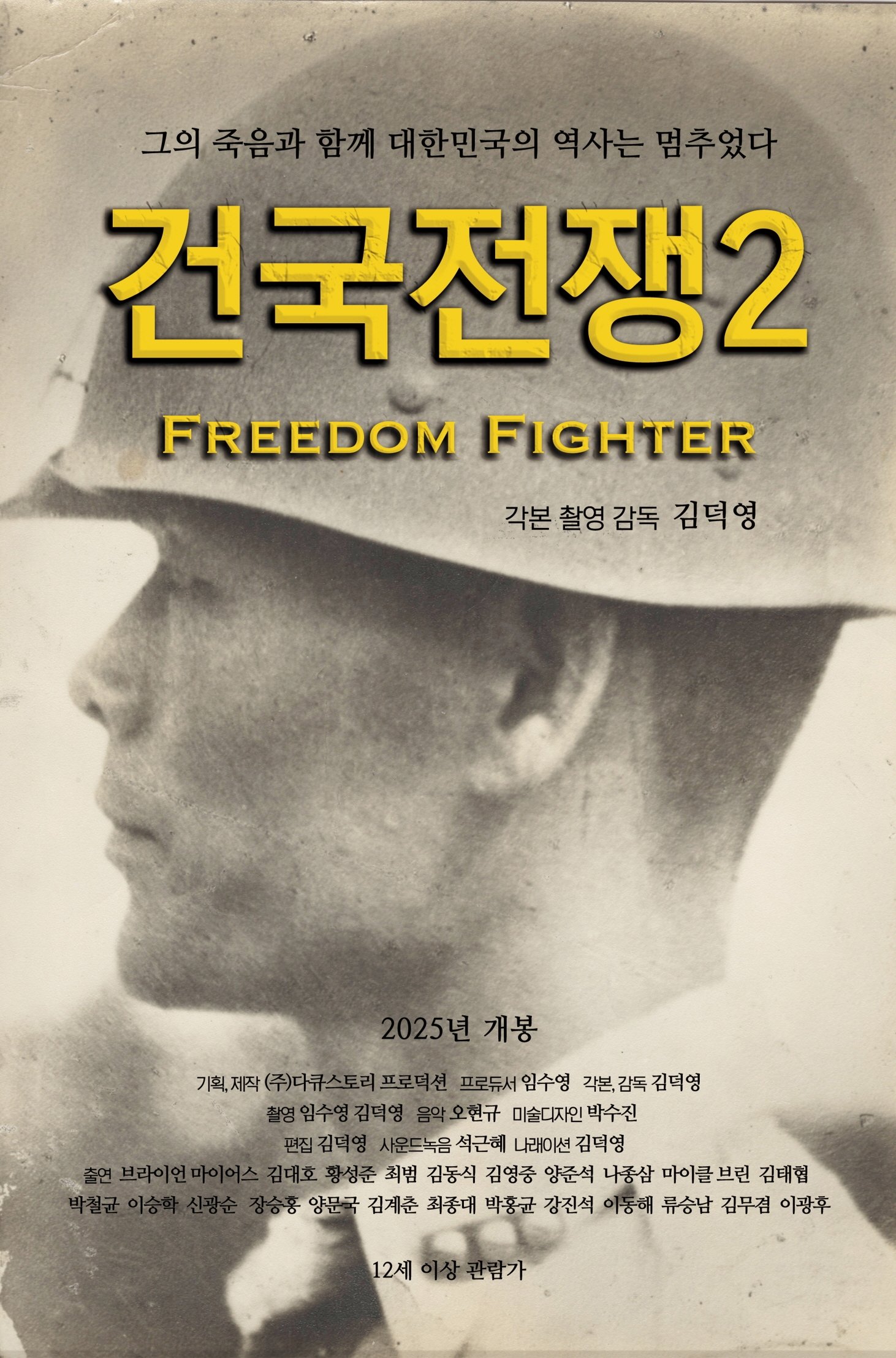
The Birth of Korea 2: Freedom Fighter
Released on: 2025-09-10
Documentary, History
How did South Korea, after liberation in 1945 defend liberal democracy against leftist and communist...
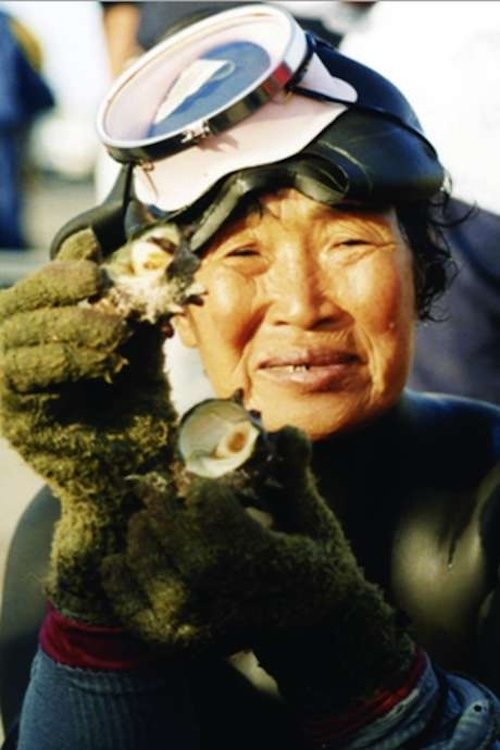
Diving Women of Jeju-do
Released on: 2007-01-01
History, Documentary
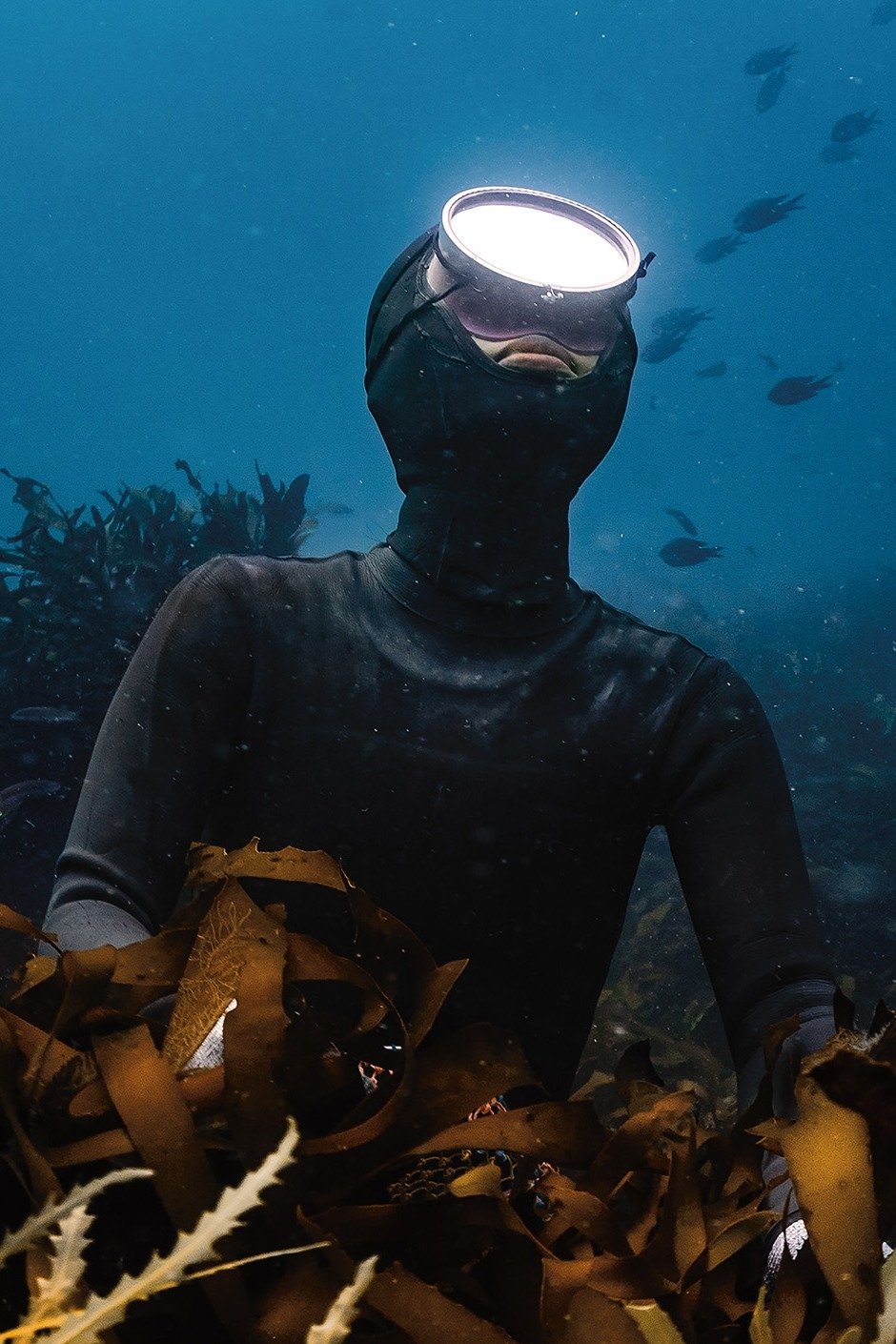
Jeju-do is the largest of Korean islands and lies between Korea and Japan. There, for hundreds of ye...
Daughter of the Sea
Released on: 2023-08-02
Documentary
Battling deep depression, Jaeyoun returns to her roots on the island of Marano, South Korea, to visi...
Jeju Note
Released on: 2018-05-03
Documentary
This is a record of people who face up to the big change.
The Ghosts of Jeju
Released on: 2013-08-02
Documentary
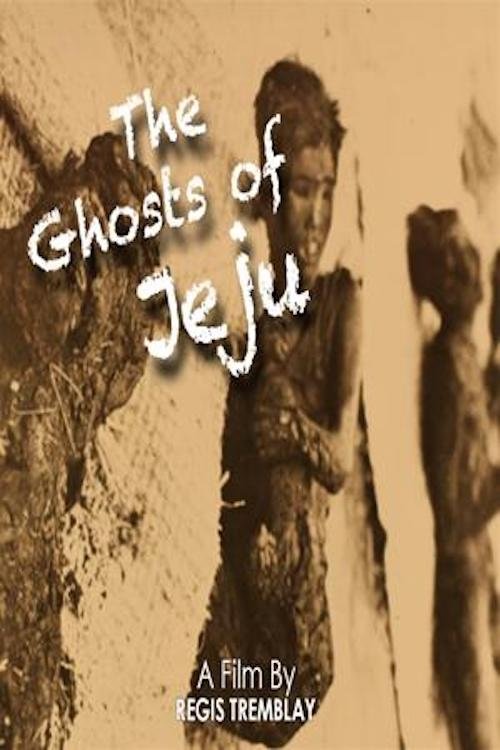
Documentary about the struggle of the people of Jeju Island, South Korea. Set in the context of the ...

The Red Filter is Withdrawn.
Released on: 2020-08-02
Documentary
If you look into the entrance of one of the huge caves on the Korean island of Jeju, it looks like a...
Haewon
Released on: 2018-05-10
Documentary
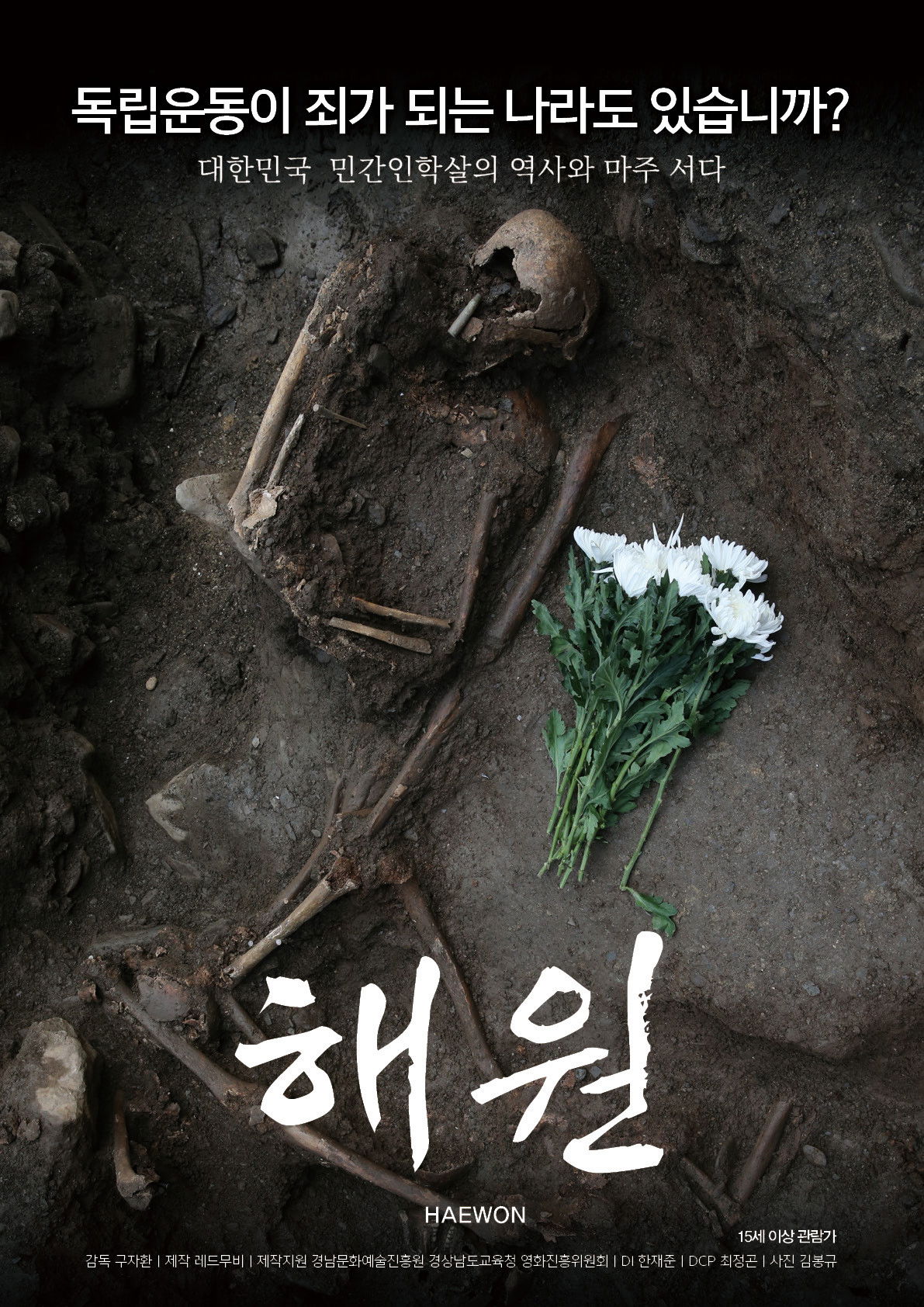
According to a survey by the U.S. military government in 1946, 78% of the South Korean people wanted...
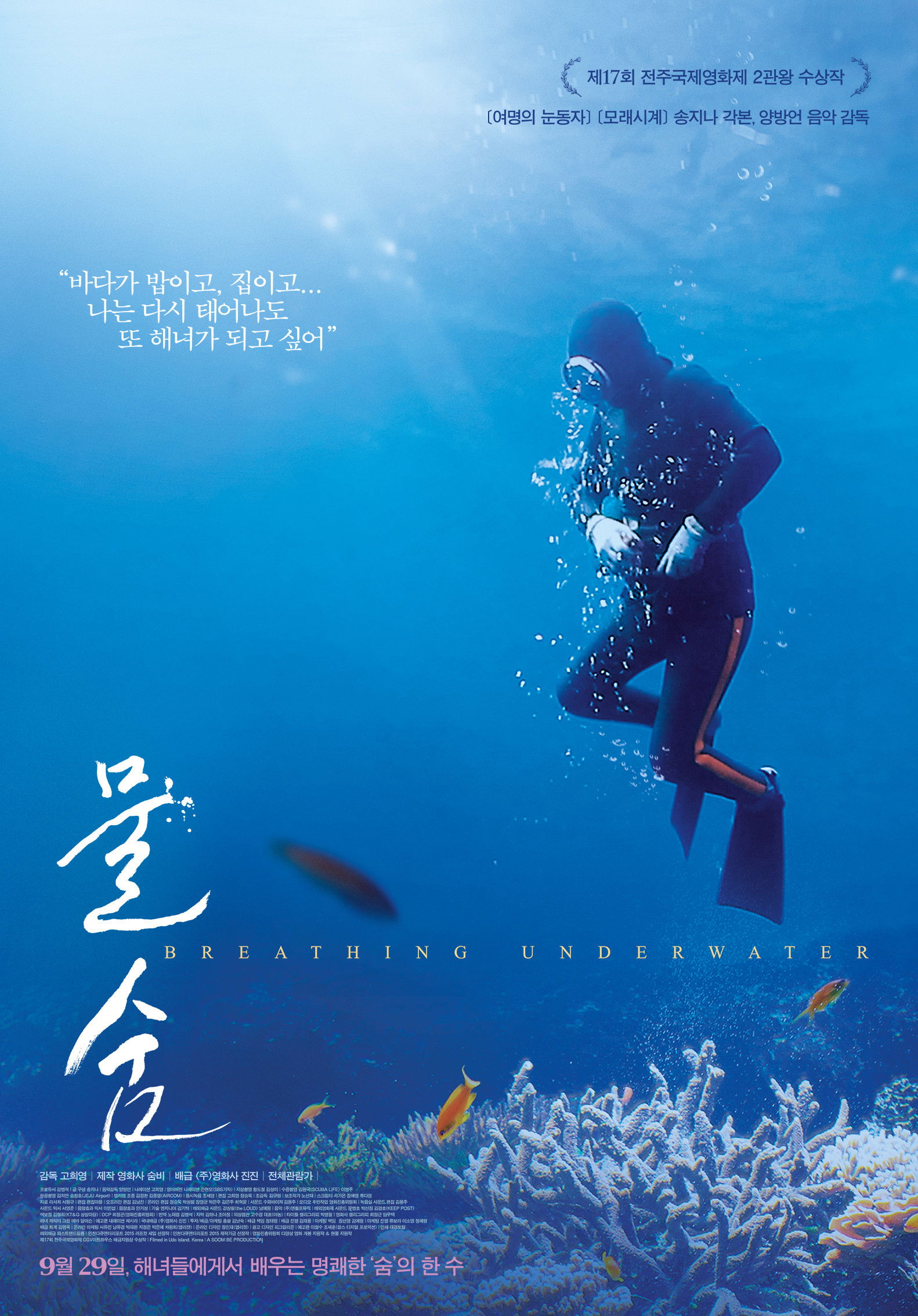
Breathing Underwater
Released on: 2016-09-29
Documentary
In Jeju Province, located off the southern coast of Korea, are the women of the sea, those who hold ...
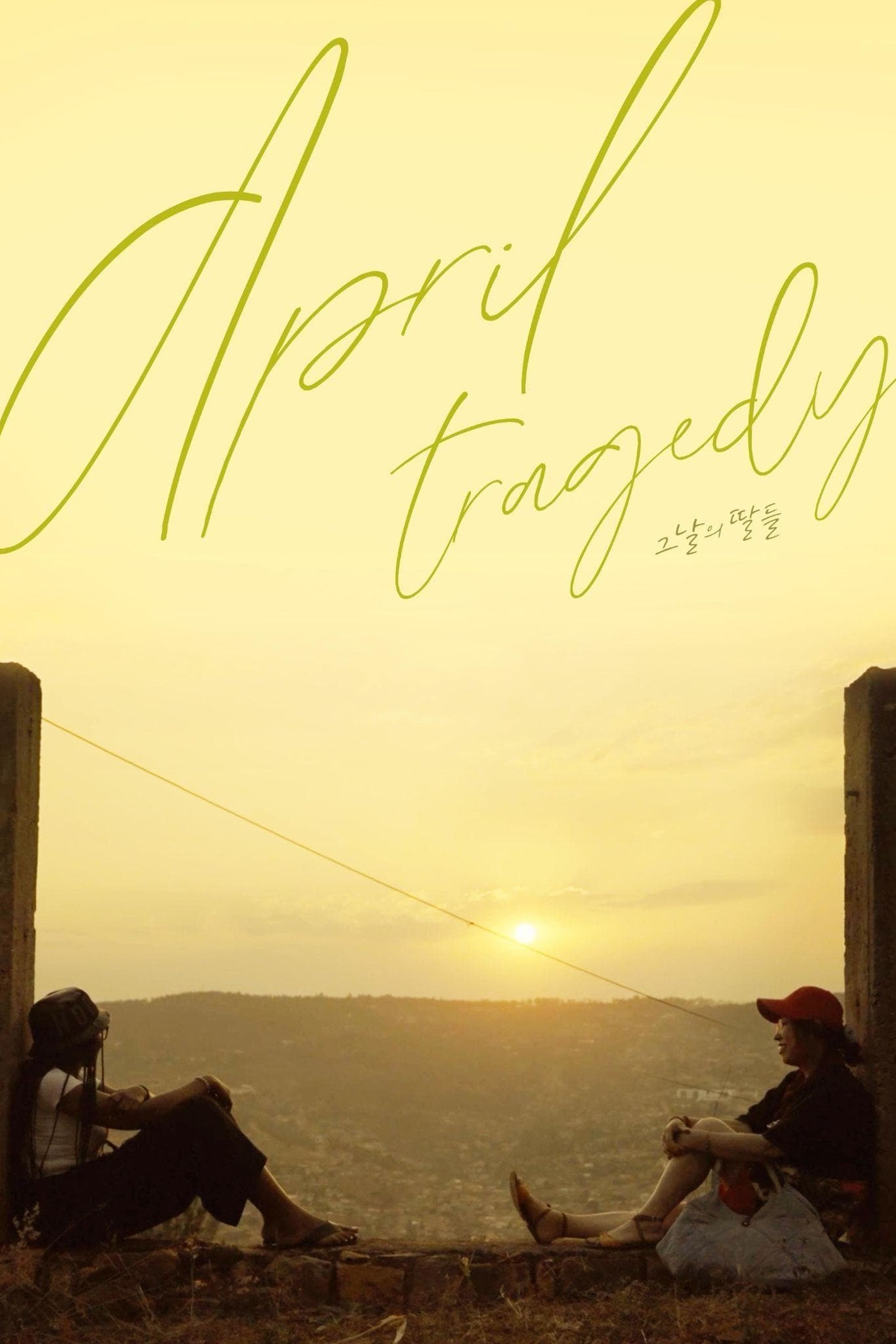
April Tragedy
Released on: 2024-04-03
Documentary
The oral writer of the April 3 Uprising and a Rwandan who came to Korea to study face each other, ha...