

The Red Filter is Withdrawn. (2020)
• August 2nd, 2020 • 0h 12min
Documentary
Overview
If you look into the entrance of one of the huge caves on the Korean island of Jeju, it looks like a camera lens. If you walk into the cave, it looks like a screen, a rectangle showing clouds and white light, just like a film. Director Kim Minjung delves into the bloody history of Jeju, where tens of thousands were killed in a massacre in 1948. The camera follows the traces in the landscape, sometimes transformed by a strident, distance-creating red light, accompanied by a commentary by avant-garde filmmaker Hollis Frampton. Film as a means to address history and its taboos.
Make sure to check your pop-up blocker!!
Trailer
Similar Movies
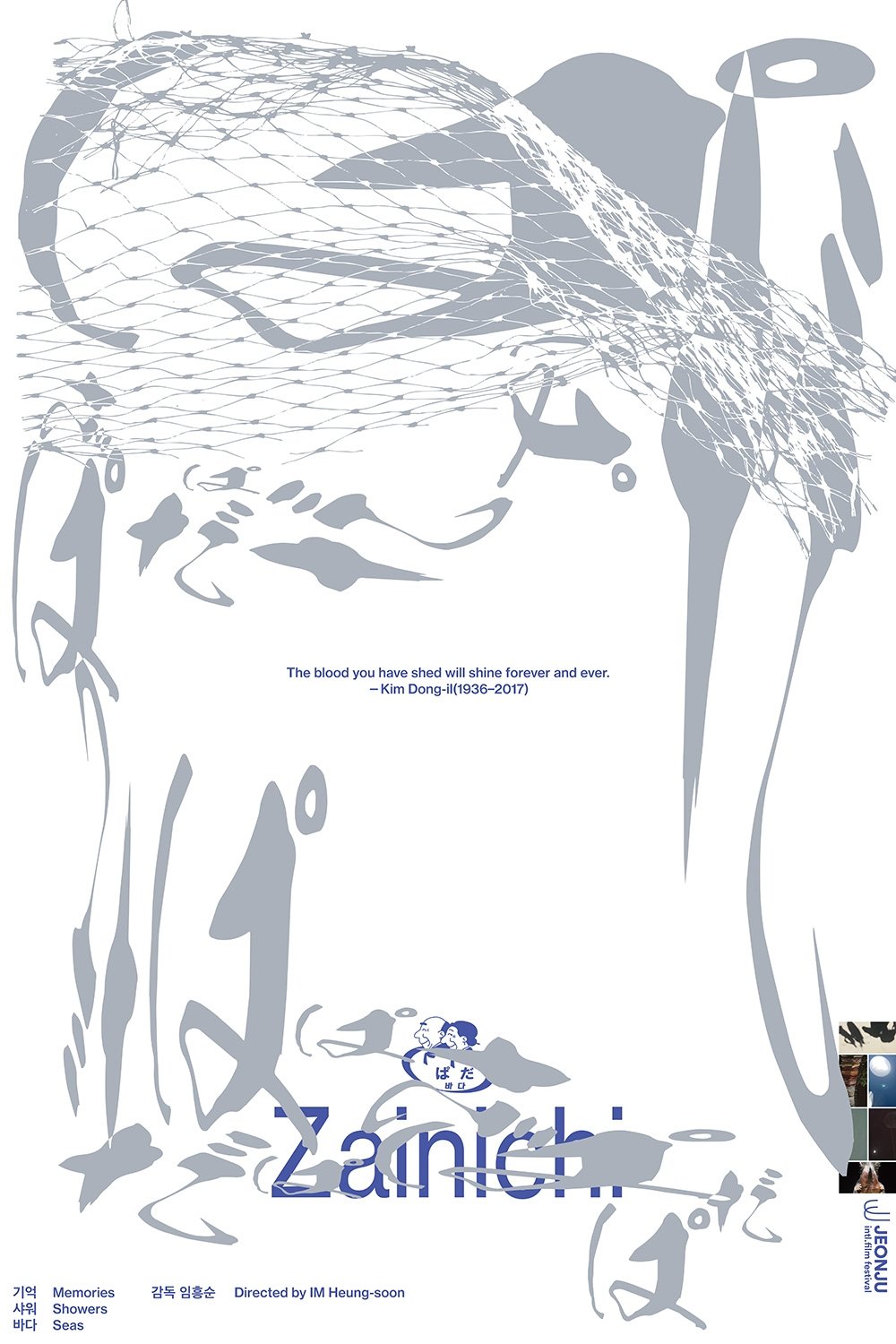
Memories Showers Seas
Released on: 2025-05-02
Documentary
The late Kim Dong-il, a Jeju April 3 refugee in Japan, left behind over 2,000 crocheted items and pi...

May•JEJU•Day
Released on: 2021-09-08
Animation, Documentary
Immediately after liberation, an incident called 'Jeju Uprising' took place on Jeju Island, the Hawa...

Jeju Prayer
Released on: 2013-04-03
Documentary
Focusing on Mrs. Kang Sang-hee’s life, she lost her husband in the Jeju Uprising (March 3rd, 1948). ...
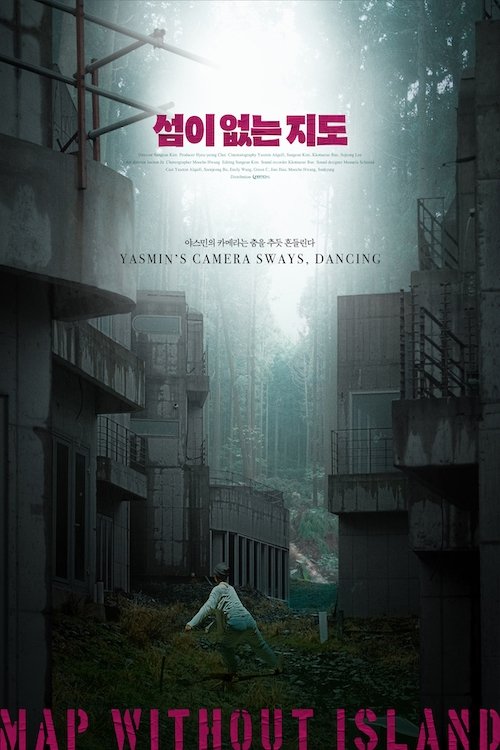
Map without Island
Released on: 2021-10-10
Documentary
The film shows demonstrations against building the second airport in Jeju Island the performances of...

Soup and Ideology
Released on: 2022-06-11
Documentary
Confronting half of her mother’s life—her mother who had survived the Jeju April 3 Incident—the dire...
![Yeoyu and Seolbin - [Comedy]](https://image.tmdb.org/t/p/original//54eOGR6nQtTKl9rGLTMMGsSd4FE.jpg)
Yeoyu and Seolbin - [Comedy]
Released on: 2025-08-29
Documentary, Music, TV Movie
The folk duo 'Yeoyu and Seolbin' completed their third album, 「Comedy」, while living in Jeju. The re...
The Birth of Korea 2: Freedom Fighter
Released on: 2025-09-10
Documentary, History
How did South Korea, after liberation in 1945 defend liberal democracy against leftist and communist...
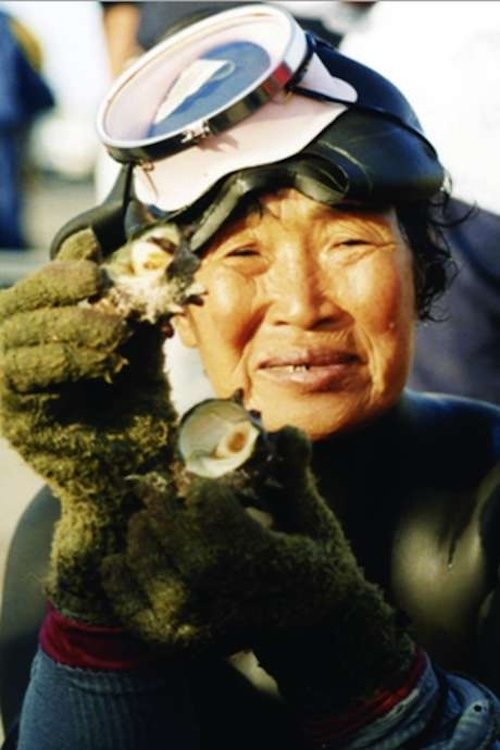
Diving Women of Jeju-do
Released on: 2007-01-01
History, Documentary
Jeju-do is the largest of Korean islands and lies between Korea and Japan. There, for hundreds of ye...
Lessons from Jeju
Released on: 2020-05-11
Documentary
Seven months pregnant and apprehensive of the effect motherhood would have on her career as a profes...
Jam Docu GangJeong
Released on: 2011-12-22
Documentary
Gangjeong Village, located at the southernmost part of Jeju Island's Seogwipo City, is in the true s...
The Ghosts of Jeju
Released on: 2013-08-02
Documentary
Documentary about the struggle of the people of Jeju Island, South Korea. Set in the context of the ...
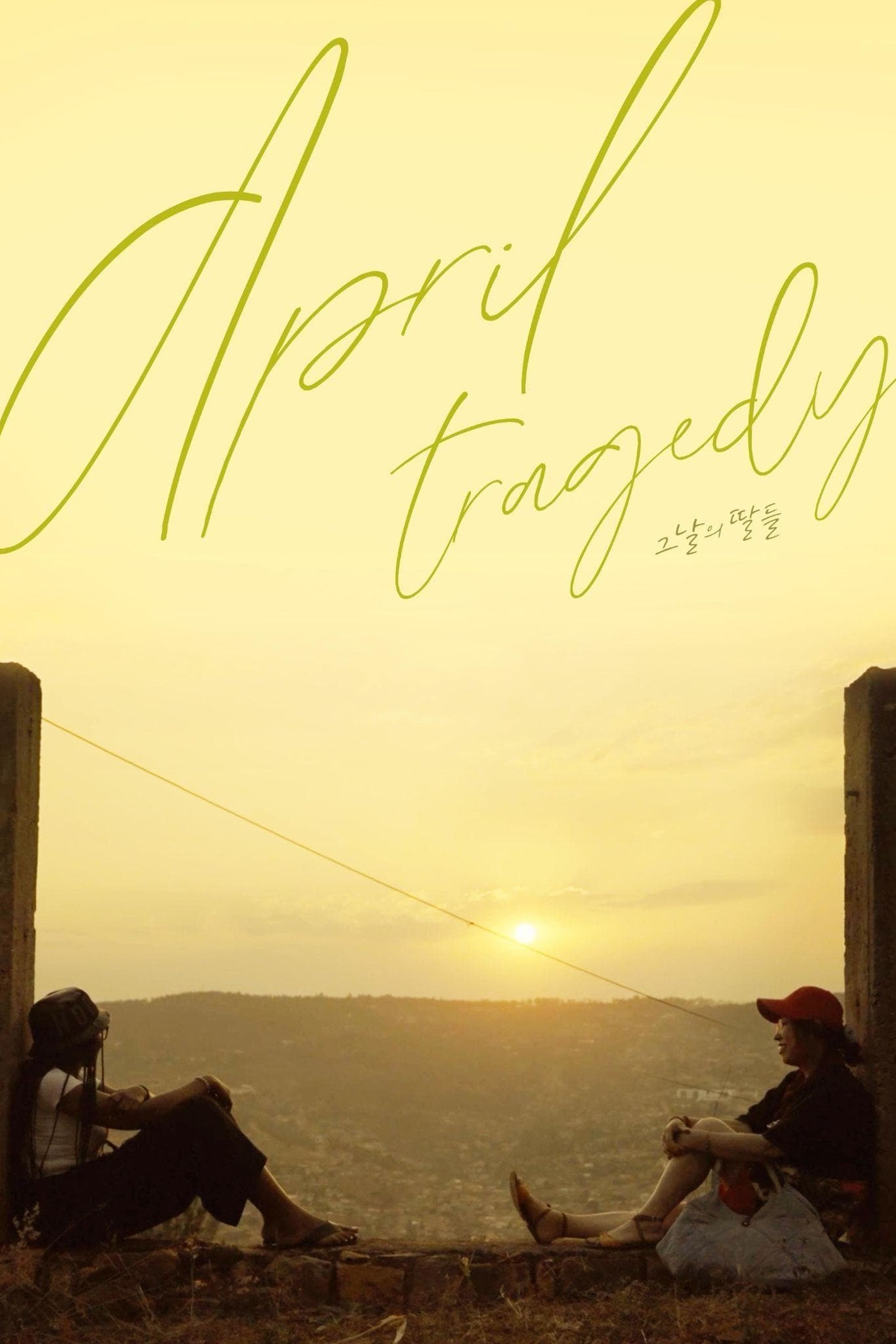
April Tragedy
Released on: 2024-04-03
Documentary
The oral writer of the April 3 Uprising and a Rwandan who came to Korea to study face each other, ha...
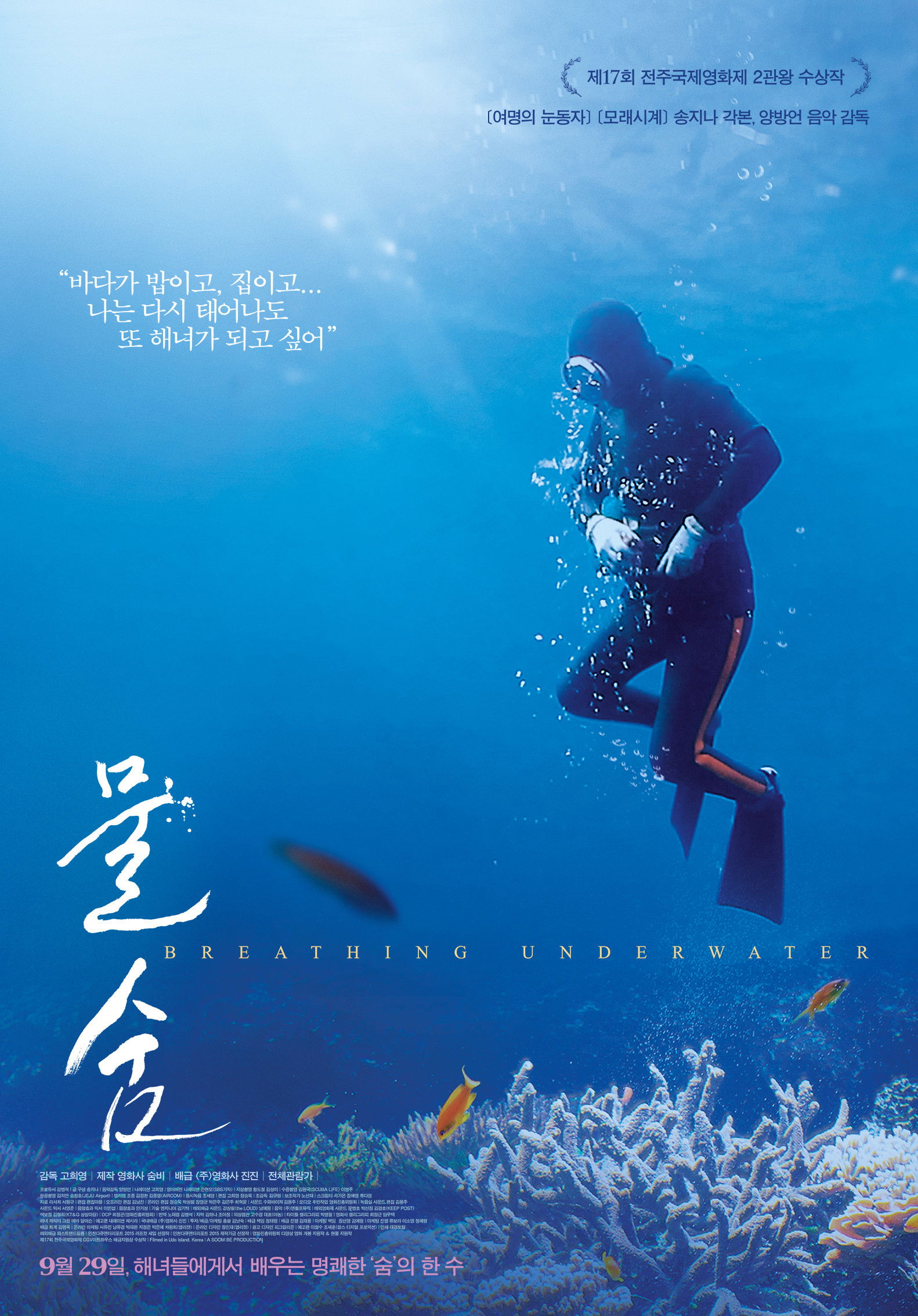
Breathing Underwater
Released on: 2016-09-29
Documentary
In Jeju Province, located off the southern coast of Korea, are the women of the sea, those who hold ...
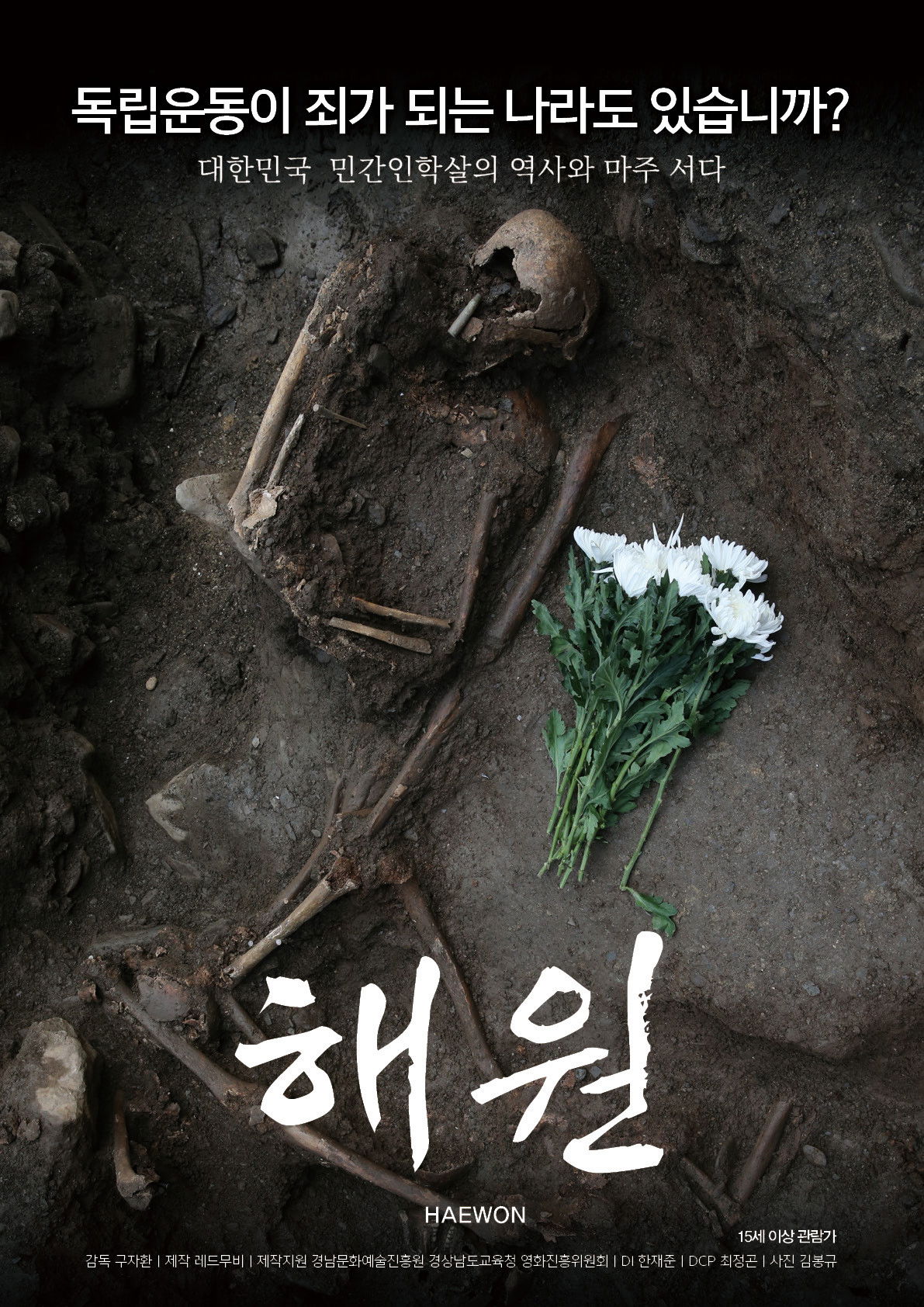
Haewon
Released on: 2018-05-10
Documentary
According to a survey by the U.S. military government in 1946, 78% of the South Korean people wanted...
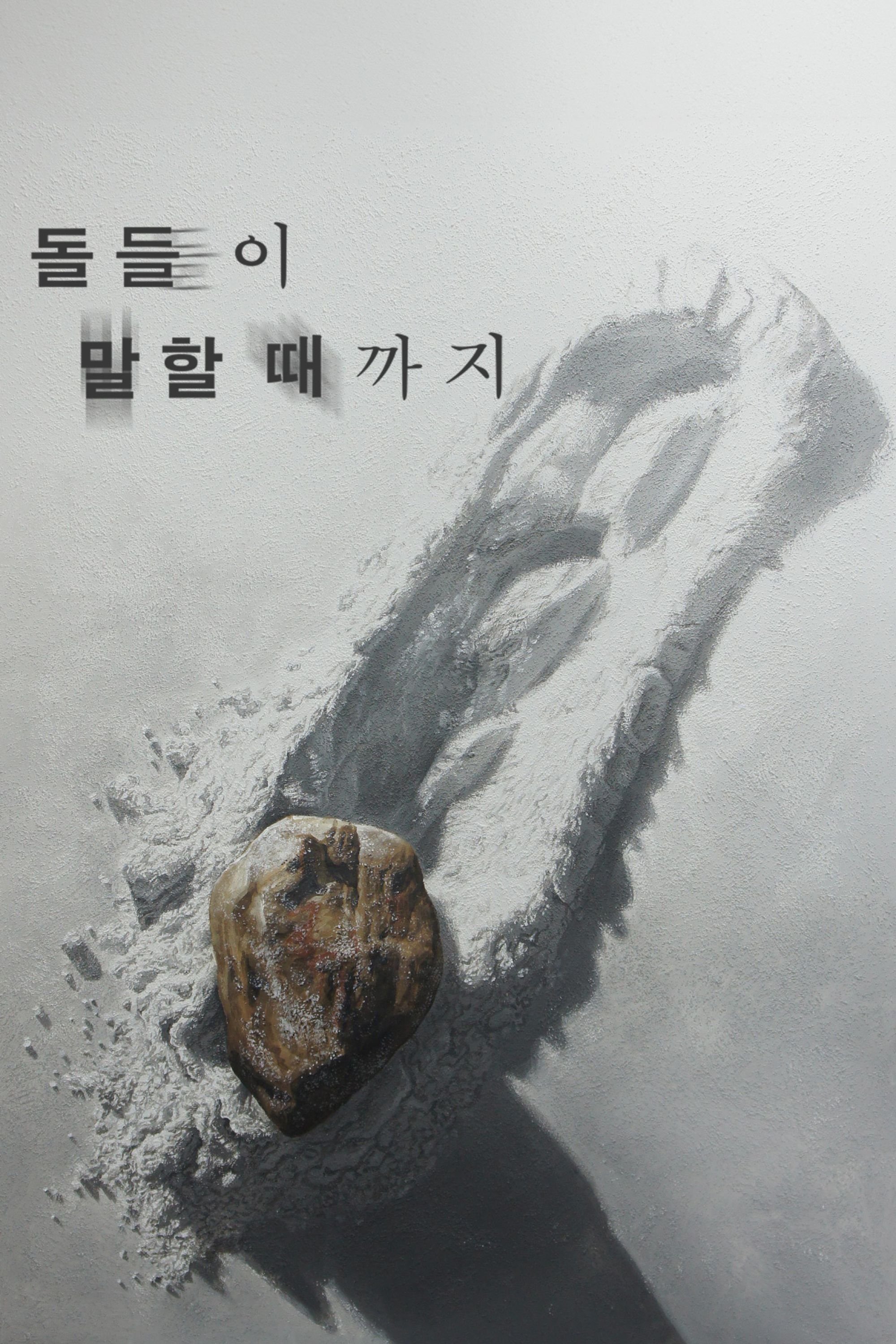
Until the Stones Speak
Released on: 2024-04-17
Documentary
There are five grandmothers, four of whom went to Jeonju Prison due to the Jeju 4.3. All of them wer...
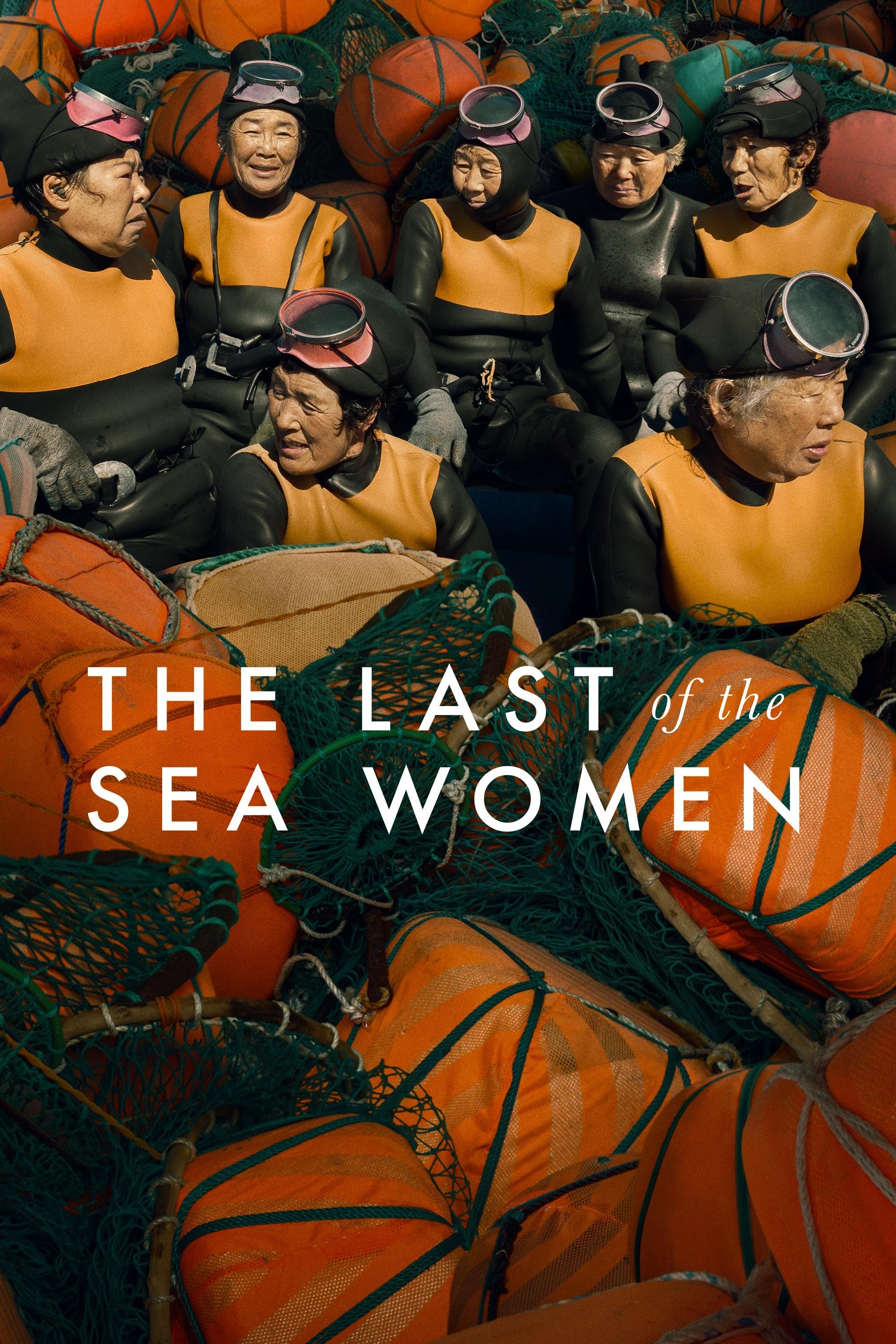
The Last of the Sea Women
Released on: 2024-09-08
Documentary
On the shores of Jeju Island, a fierce group of South Korean divers fight to save their vanishing cu...
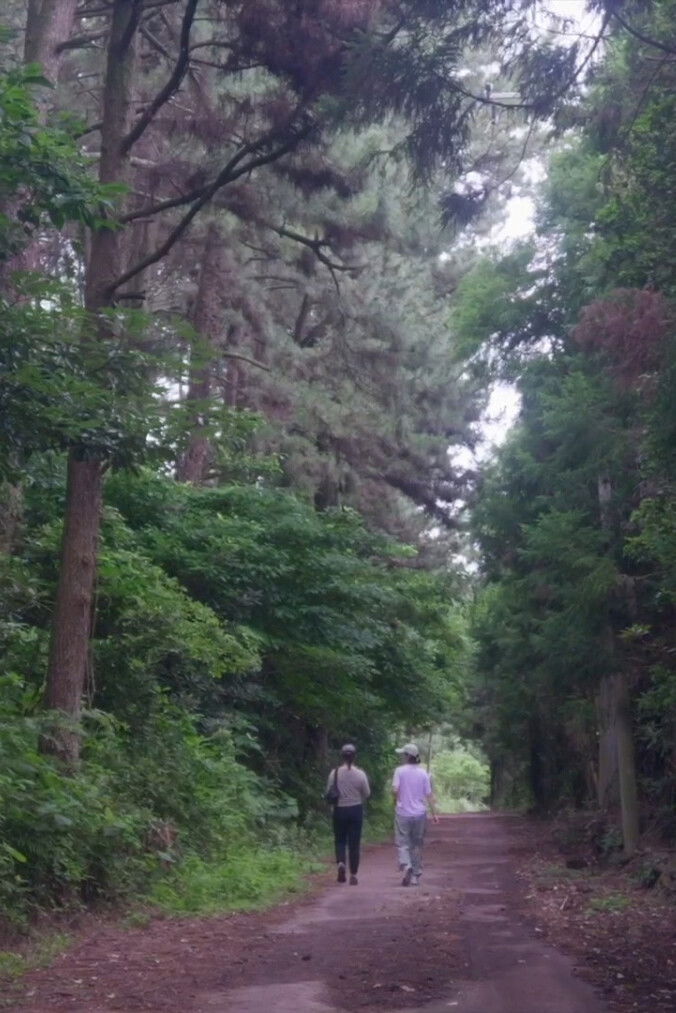
The Time of Jeju
Released on: 2025-11-29
Documentary
Jeju authorities felled about 900 cedar trees on Bijarim-ro for a road expansion project. Citizens e...