La Mayoría Silenciosa (1974)
• January 1st, 1974 • 0h 37min
Documentary, Drama
Overview
The silent majority is the Costa Rican peasantry, which has been the object of traditional contempt and which has manifested itself in various forms: unfair salary compensation, bad prices for their agricultural products, financing difficulties, land grabs, precarious housing and educational conditions. health. Precariousness, peasant migrations and the depletion of the agricultural frontier are also analyzed in the film.
Make sure to check your pop-up blocker!!
Trailer
Similar Movies

Takes Four Years to Grow Coffee
Released on: 2021-04-10
Documentary
A beautifully shot exploration of how Puerto Rican coffee farmers struggle to pass on their family t...
Morazán
Released on: 2017-09-14
History, Drama
Francisco Morázan has been in Costa Rica for five months where he has been appointed Provisional Chi...

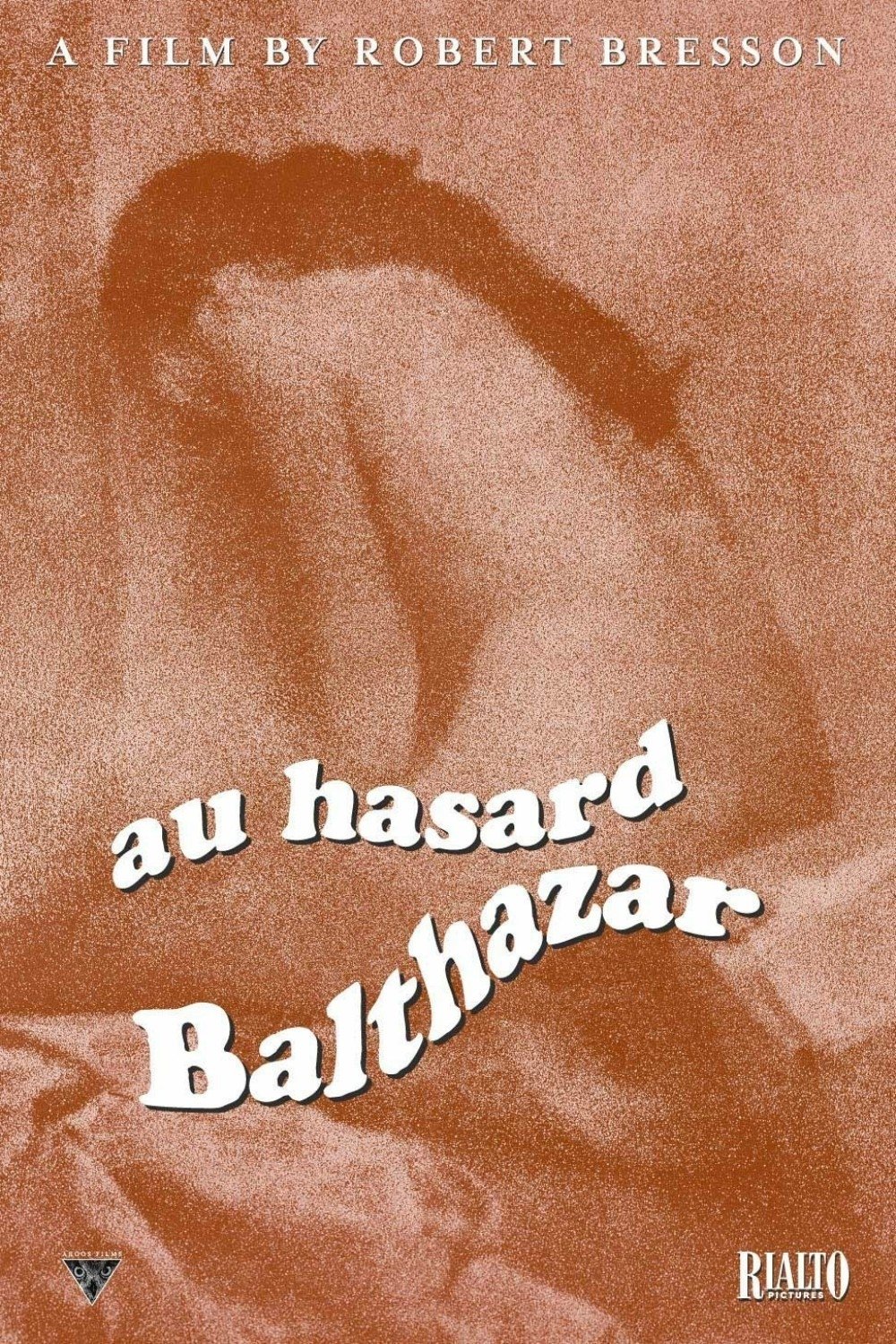
Au Hasard Balthazar
Released on: 1966-05-25
Drama
The story of a donkey Balthazar as he is passed from owner to owner, some kind and some cruel but al...
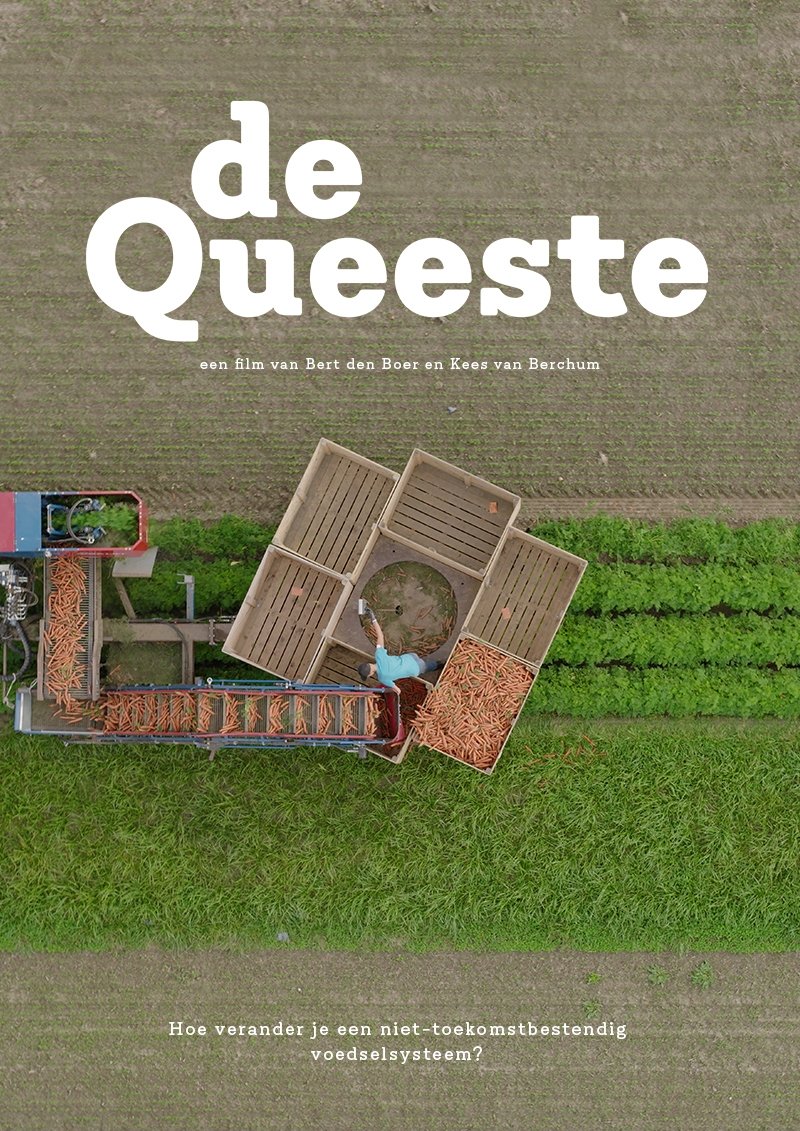
De Queeste
Released on: 2024-02-15
Documentary
In search of a more sustainable food system, three organic farming pioneers discuss their hopes and ...
Stroje na vesnici
Released on: 1950-12-31
Documentary
A picture promoting collective farming and the use of tractors in agriculture. It introduces the wor...