
Bosnia! (1994)
• May 18th, 1994 • 1h 57min
Documentary
Overview
The carnage in Sarajevo provides the focus of this French documentary which seeks to call attention to the terrible conflict in the hopes of finally ending it. The film is divided into five parts. Each part covers a time frame ranging from April 4, 1992, the beginning of the war, to the present. The major issues that occur are three-fold. It depicts the systematic genocide of Bosnians, the silence of Western countries, and the determination of the Bosnians to resist. They refuse to be seen as victims, even though the filmmakers portray them so. Also included are the origins and political aspects of the war. It offers interviews with participants. It also reveals how the U.S. State Department censored reports about Serbian death camps.
Make sure to check your pop-up blocker!!
Trailer
Similar Movies
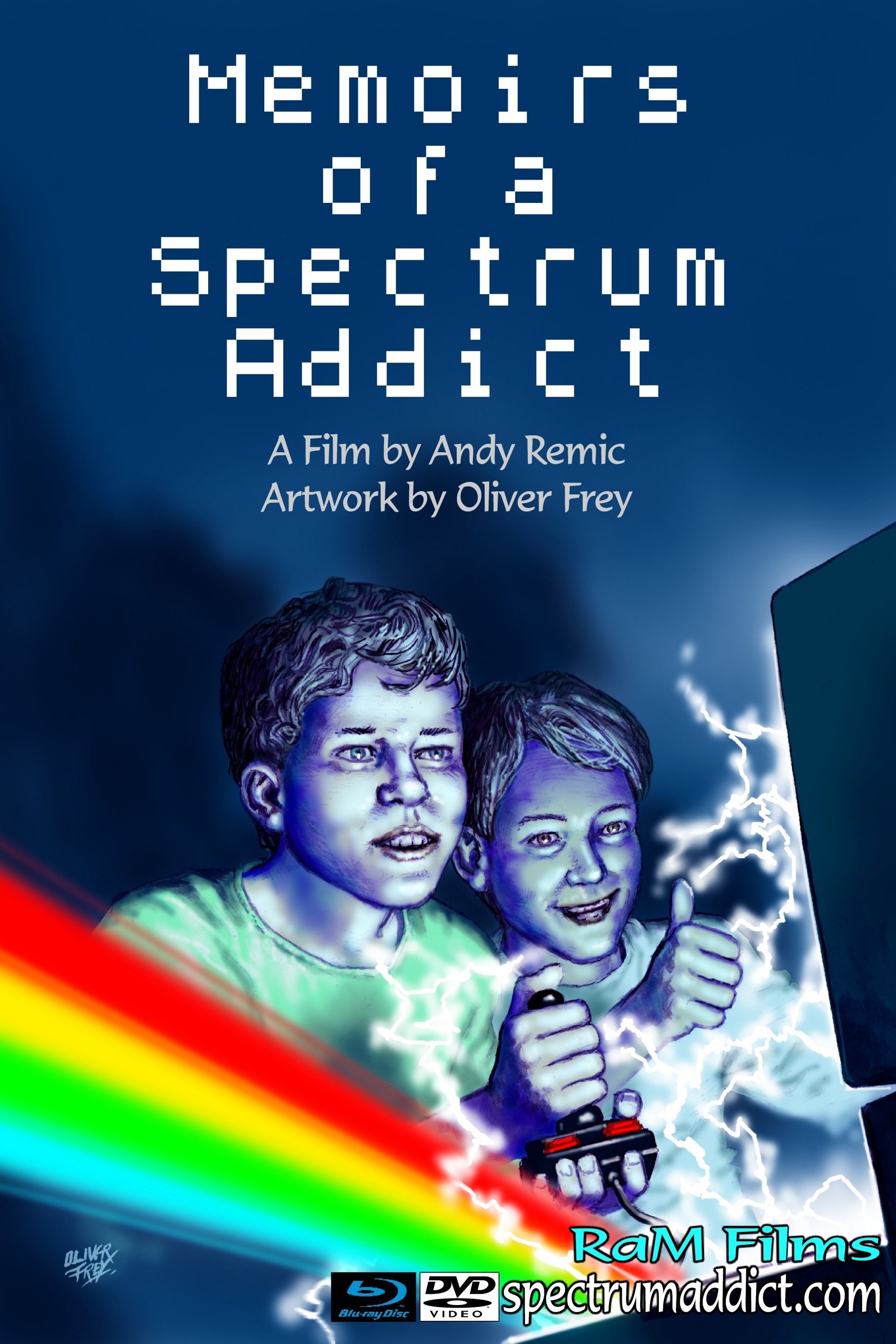
Memoirs of a Spectrum Addict
Released on: 2017-07-01
Documentary
Memoirs of a Spectrum Addict is a full length documentary feature film which takes a detailed look a...

Spotlight on Merna
Released on: 2016-11-17
Documentary
Taking part in The Voice Kids is already quite something, but for 11-year-old Merna it’s really some...
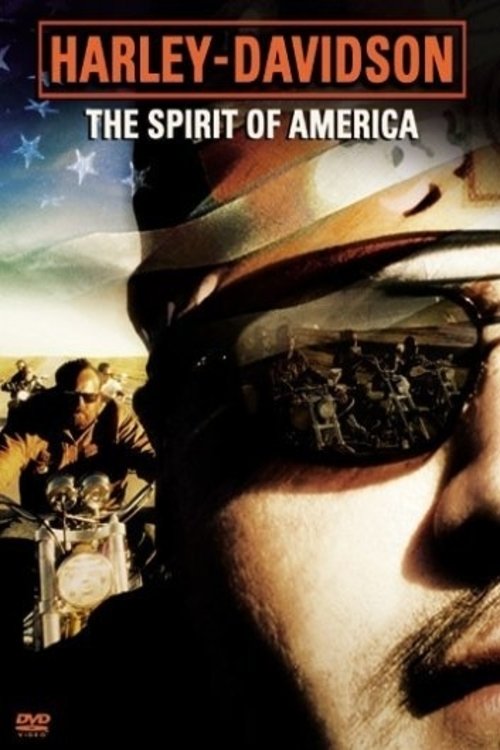
Harley-Davidson: The Spirit of America
Released on: 2005-01-01
Documentary
Hop on a Harley for this tour of the nation's highways and byways with other motorcycle enthusiasts ...
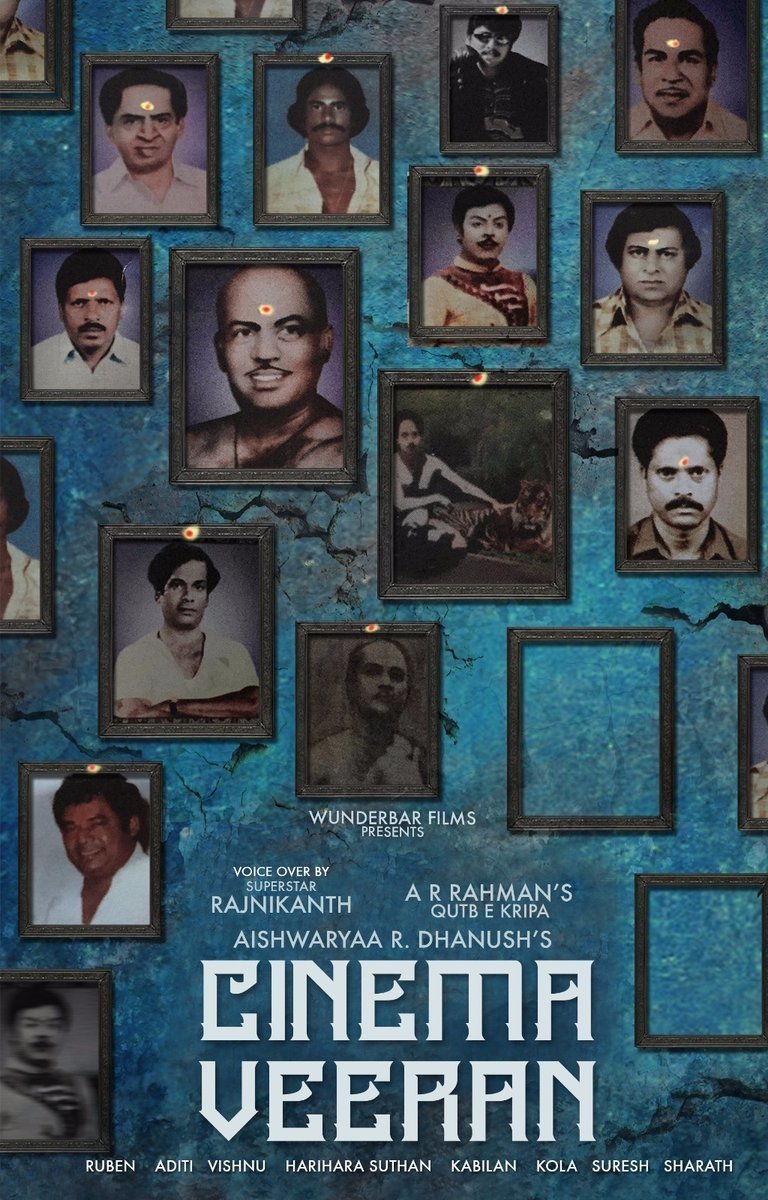
Cinema Veeran
Released on: 2017-06-22
Documentary
An ode to the fighters and stunt coordinators of Tamil cinema, this documentary, with a voice-over b...
Kielings kalte Welt
Released on: 2015-01-01
Documentary
Andreas Kieling, a famous German documentary film maker, explores the coldest places in the world. H...
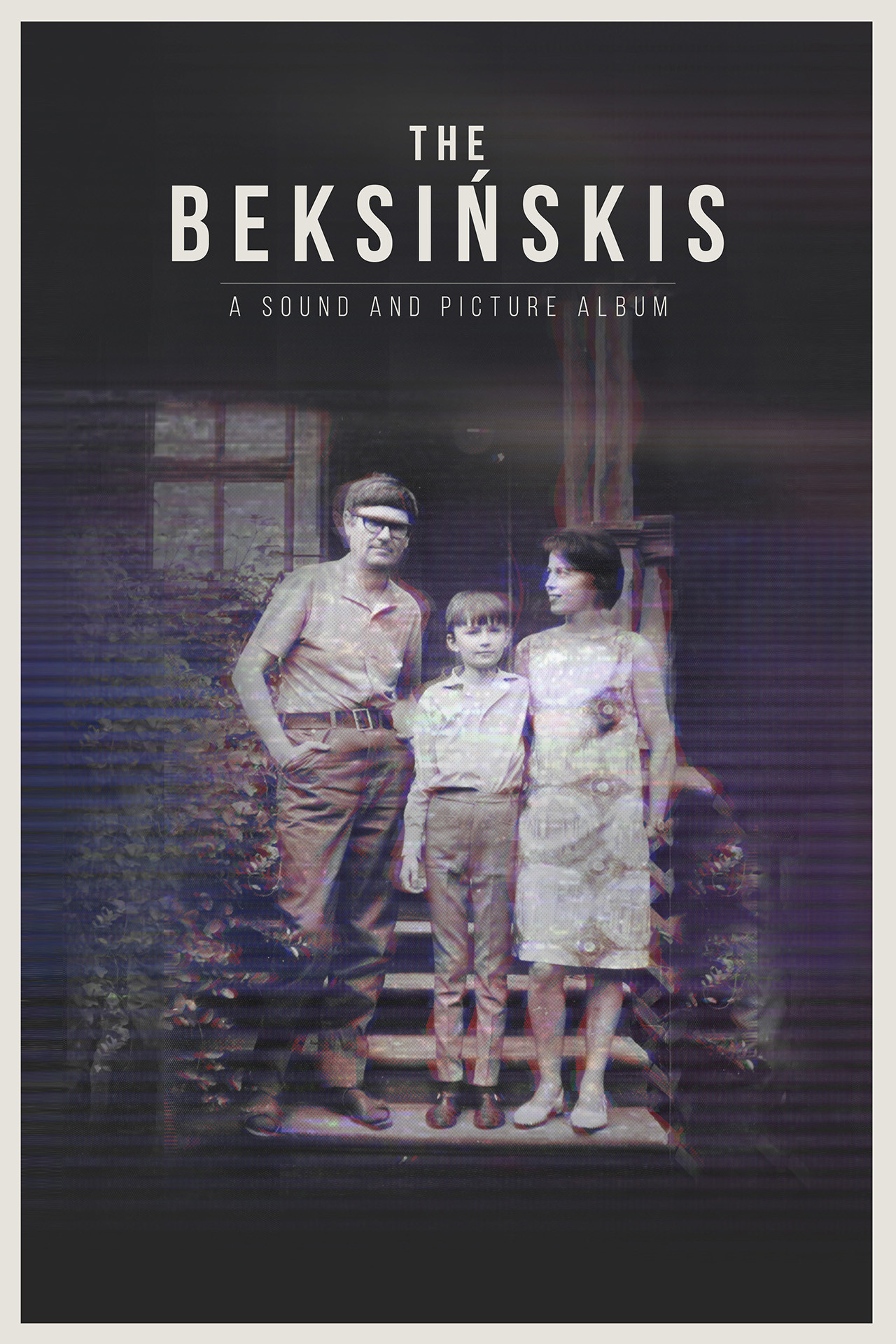
The Beksińskis. A Sound and Picture Album
Released on: 2017-11-10
Documentary
Painter Zdzisław Beksiński, his wife Zofia and their son Tomasz, a well-known radio journalist and t...
The Satanic Verses Affair
Released on: 2009-03-07
Documentary
Twenty years ago, novelist Salman Rushdie was a wanted man with a million pound bounty on his head. ...

Amicus: House of Horrors
Released on: 2012-10-30
Documentary, Horror
For the first time on DVD, the Alpha Archives Collection proudly presents a two part feature length ...
That World Is Gone
Released on:
History, Documentary
Kathy's family left on a Saturday morning in 1965. The rumble of bulldozers echoed through the neigh...

Soul
Released on: 2017-07-30
Documentary
Soul explores the secrets of gastronomy where two cuisines apparently so opposite in their philosoph...
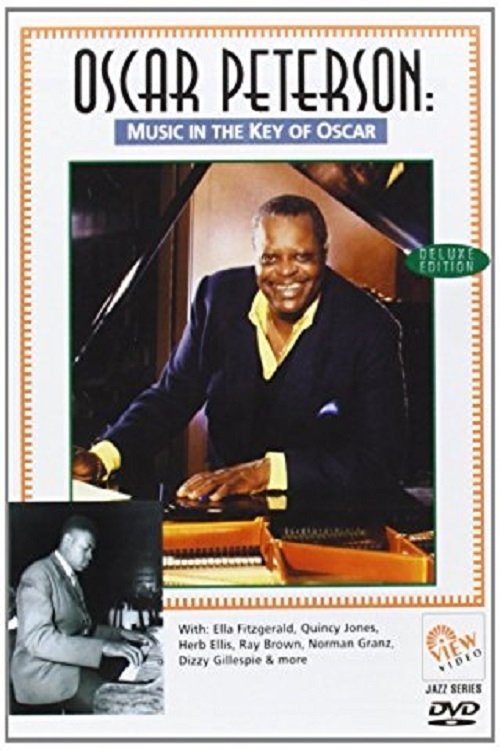
Oscar Peterson: Music in the Key of Oscar
Released on: 1995-01-01
Documentary, Music
This riveting music documentary traces the history of Jazz piano legend Oscar Peterson, from his ear...
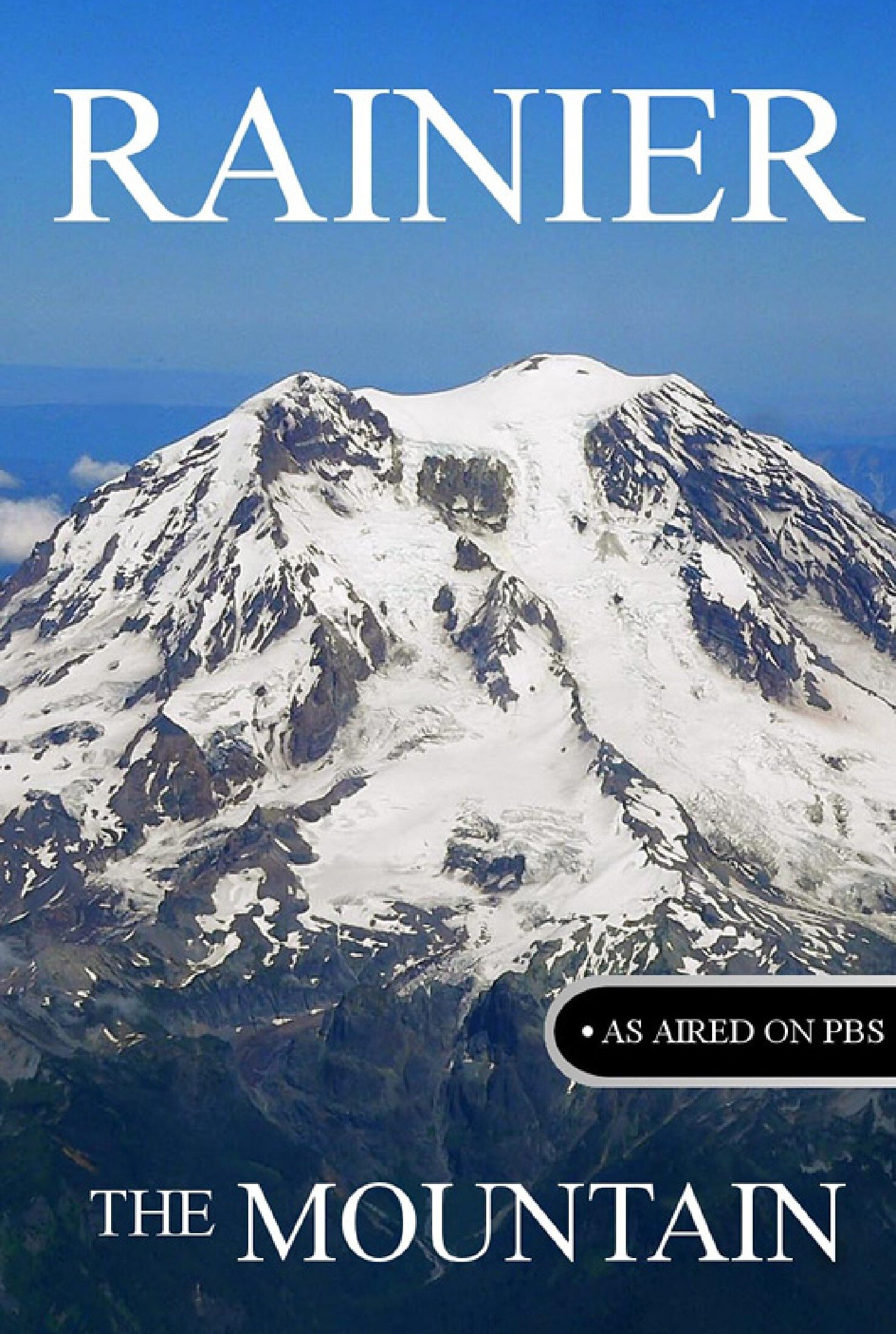
Rainier the Mountain
Released on: 1999-01-01
Documentary
In this retrospective tribute, acclaimed filmmaker Jean Walkinshaw hails the 100th anniversary of Mo...
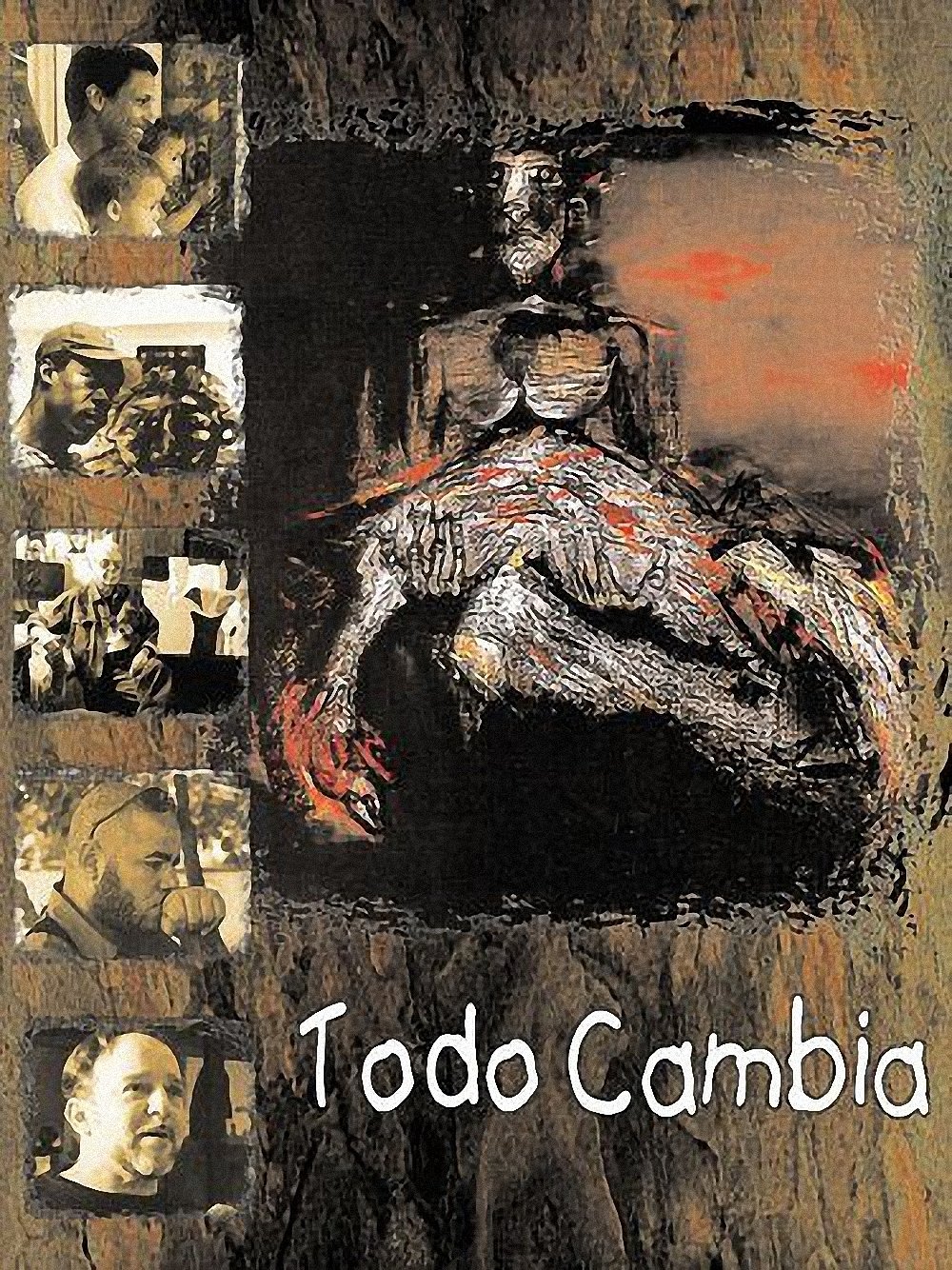
Todo Cambia
Released on: 2000-01-01
Documentary
A documentary that takes an in depth look at a government sanctioned art school in Cuba and its stud...
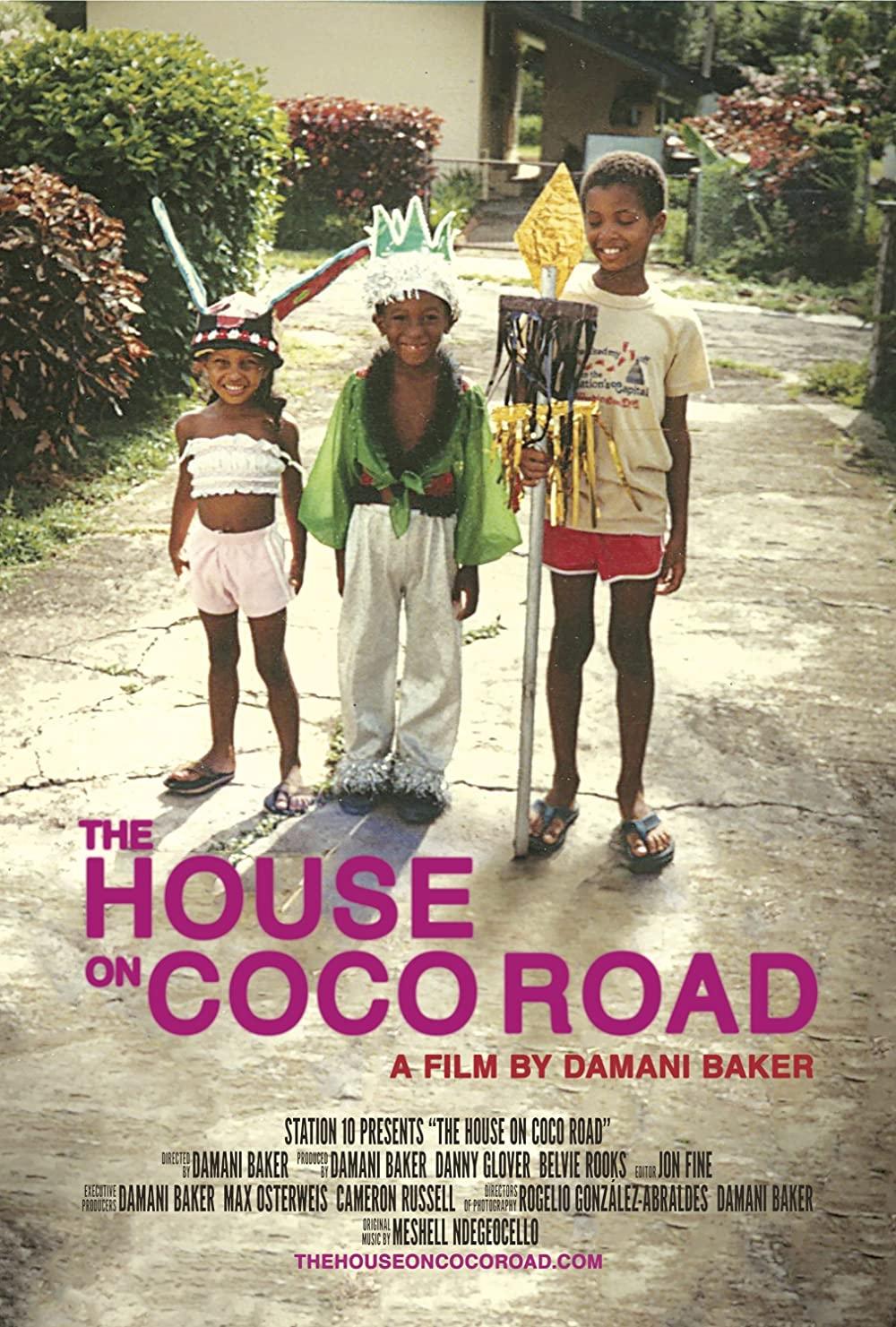
The House on Coco Road
Released on: 2016-06-02
Documentary
An intimate documentary exploration of heritage and history against the backdrop of a brewing Afro-c...
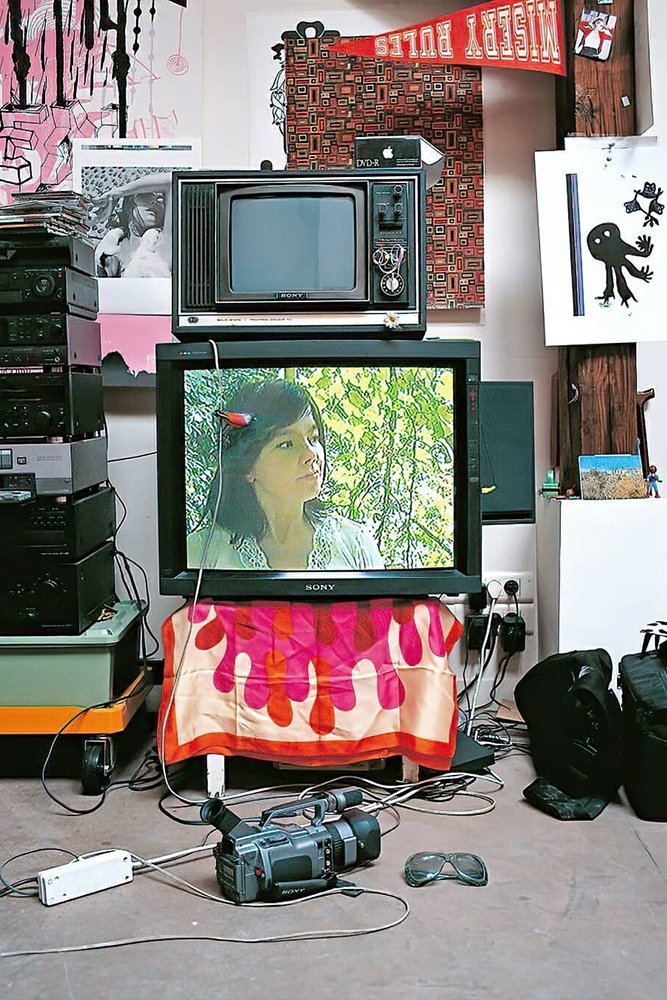
Björk: Minuscule
Released on: 2002-11-18
Documentary, Music
This documentary offers a behind-the-scenes look at Björk and her touring entourage for the 2001 Ves...
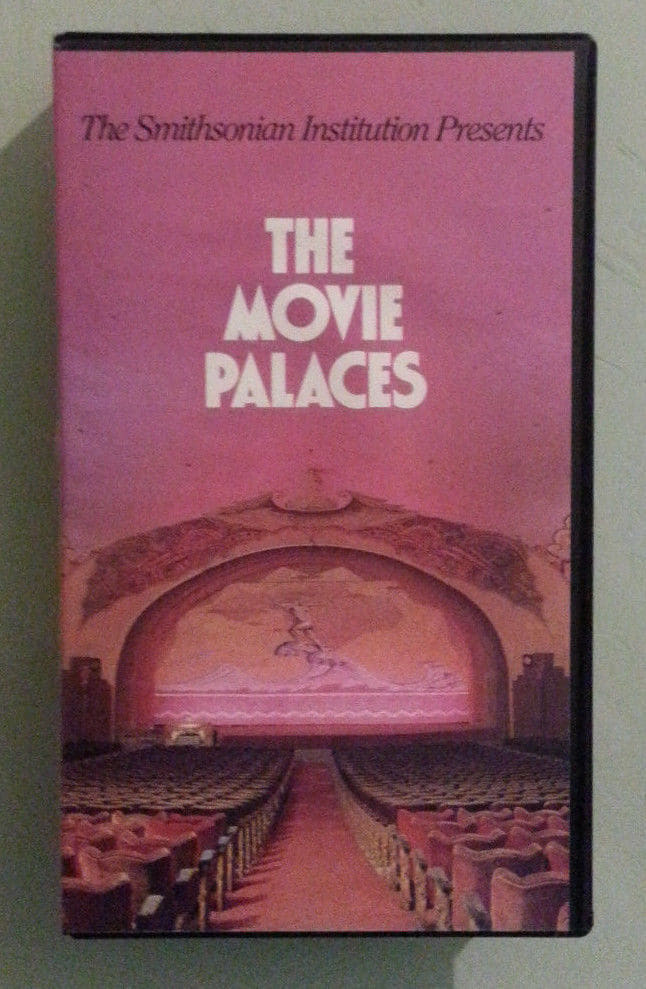
The Movie Palaces
Released on: 1987-06-25
Documentary
A documentary about the great American movie palaces of the 1920s and 1930s. Filmed on location at s...
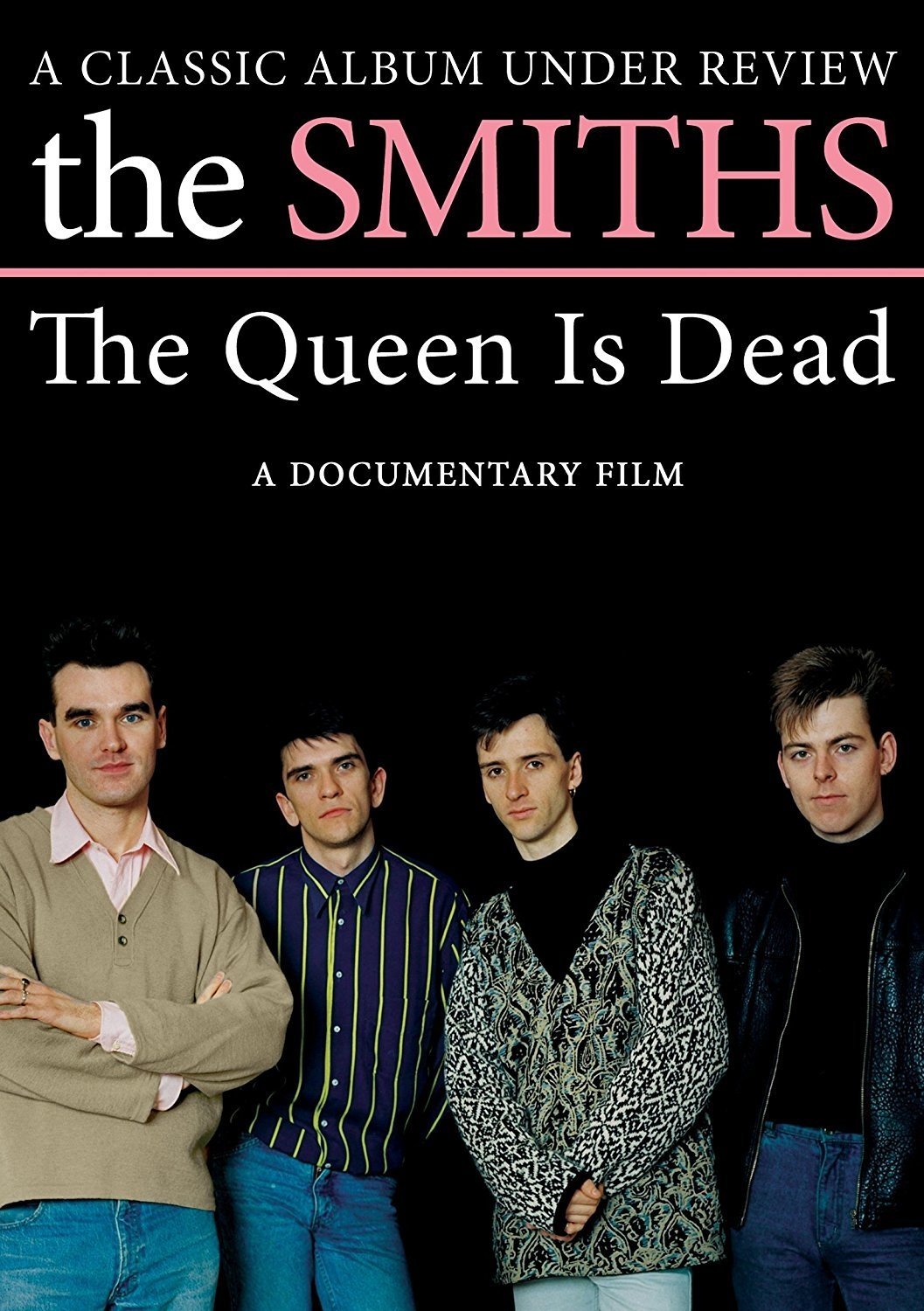
The Smiths: The Queen Is Dead - A Classic Album Under Review
Released on: 2008-06-10
Music, Documentary
Showing for the first time how it all came together and what made it so great, the film is all at on...
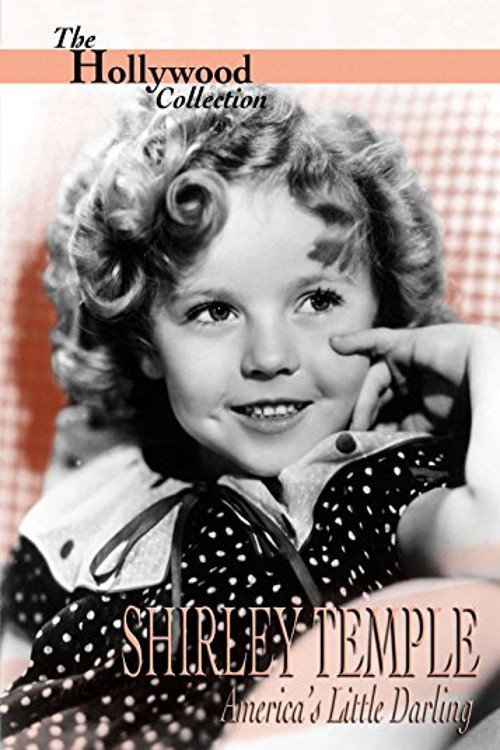
Shirley Temple: America's Little Darling
Released on: 1993-08-31
Documentary
There never was a star quite like her. Adored by adults and children alike, at four she already led ...


Junk Story
Released on: 2015-05-23
Documentary, Music
A look back at the life and career of Japanese guitarist hide, who died under questionable circumsta...